How Should You Begin the BoatShield Claims Process?
The moment an incident occurs—whether a grounding, collision, or storm damage—your first instinct may be to assess the damage yourself. However, BoatShield policyholders need to follow a specific protocol to ensure the claim is handled efficiently. The very first step is to secure the vessel and its occupants. If anyone is injured, call emergency services immediately. After that, mitigate further damage by, for example, stopping a leak or covering a broken window.
Once the scene is safe, contact BoatShield’s 24/7 claims hotline. The earlier you report, the faster a case number is assigned. Do not assume that minor damage can be handled informally; even small issues can lead to larger problems if not documented. BoatShield may require you to file a police report if the incident involves theft, vandalism, or a suspected hit-and-run. Remember, the initial call is your chance to set the record straight—be specific about what happened, where it happened, and the immediate condition of the boat.
How Do You Prepare Documentation Before the Adjuster Arrives?
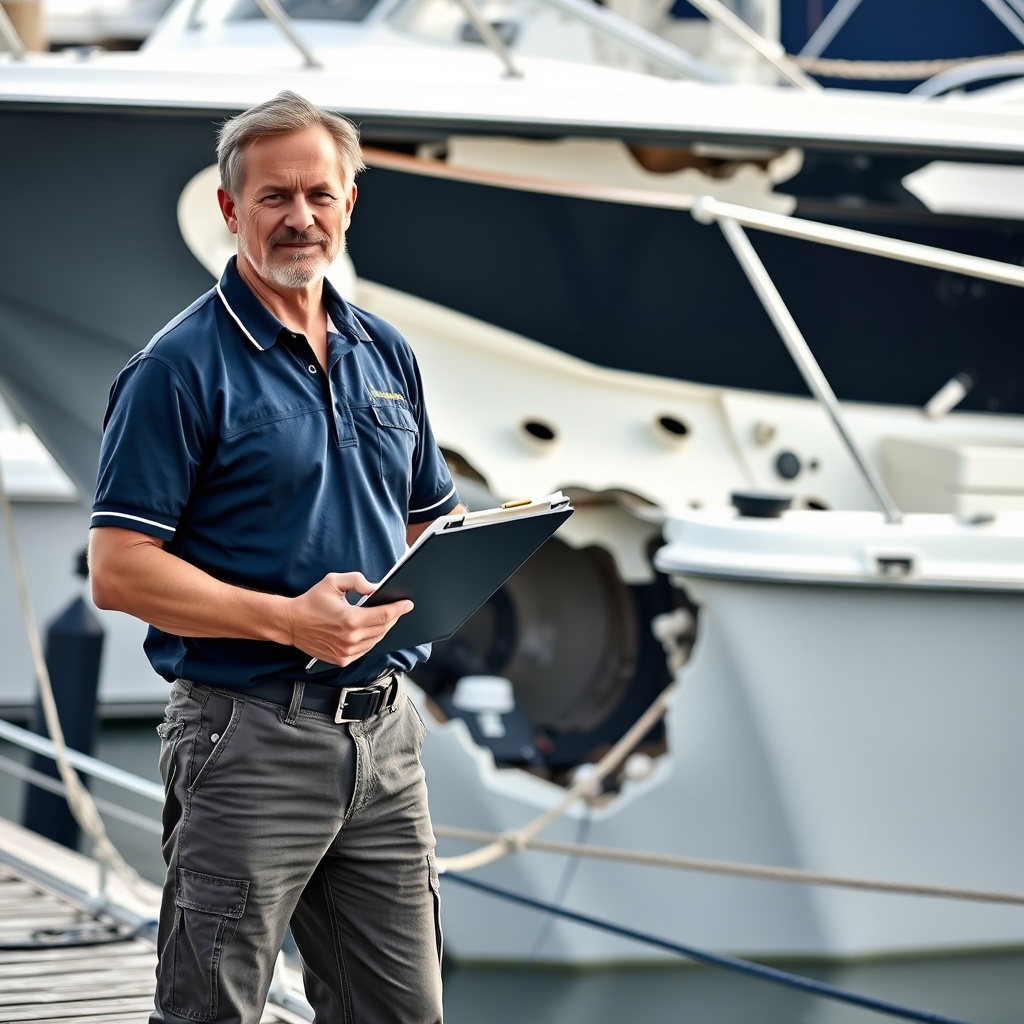
BoatShield adjusters value clarity and completeness. Before they step onboard, you should gather all relevant paperwork. This includes your policy declaration page, recent survey reports, maintenance logs, and any receipts for equipment or upgrades. If you have a BoatShield agreed value policy, the adjuster will need to confirm the insured value accurately reflects the vessel’s condition at the time of loss.
Create a detailed inventory of damaged items, from electronics to rigging. Take high-resolution photographs and short video clips from multiple angles, showing the damage in context. If weather played a role, include weather reports or screenshots from a marine weather app. For theft claims, have the list of stolen items with serial numbers ready. This proactive approach speeds up the adjuster’s appraisal and reduces back-and-forth questions.
One common oversight is not keeping a written log of events. Note the time the incident occurred, who was present, and any actions you took immediately afterward. This narrative helps the adjuster piece together the timeline. BoatShield’s claims team appreciates when you have already separated damaged items from undamaged ones, as long as you don’t dispose of anything until told to do so.
What Should You Expect During the Onsite or Remote Inspection?
BoatShield uses a network of independent marine surveyors and staff adjusters. Depending on your location and the severity of the claim, the inspection may be in person at your marina, or conducted via video call. For minor cosmetic damage, a remote inspection using clear photos may suffice. However, for major structural damage, an onsite visit is standard.
During the inspection, the adjuster will examine the hull, deck, engine, and systems. They will look for signs of pre-existing wear, improper maintenance, or modifications that may void coverage. Be upfront about any issues you were aware of before the incident. Hiding a leaking seal or a cracked stanchion can lead to claim denial under BoatShield’s liveaboard exclusions if it’s determined the damage was progressive.
The adjuster will also ask about your recent voyages and how the boat was used. If the incident happened while navigating in restricted areas, they may request charts or GPS logs. For claims involving mechanical failure, they may want to see service records. Expect a thorough but professional conversation—they are there to assess facts, not assign blame.
How Can You Speed Up the BoatShield Claim Settlement?
The claims process can feel slow, but there are actionable ways to keep it moving. First, respond to all communications within 24 hours. BoatShield’s adjusters often juggle multiple cases, so a prompt reply keeps your file on top. Second, provide repair estimates from at least two licensed marine contractors. If the damage is complex, get a third estimate. This allows BoatShield to compare pricing and authorize repairs without delay.
Third, avoid authorizing repairs until BoatShield gives written approval. If you start work early, they may deny reimbursement for those steps. However, you are allowed to perform temporary emergency repairs to prevent further damage. Keep all receipts for materials and labour, as these are typically reimbursed under the “sue and labour” clause of your policy. For a full guide on accelerating resolution, see our article on BoatShield Claims Process Tips: How to Ensure a Swift Resolution.
Fourth, if you are a liveaboard, note that your claim might involve additional scrutiny. Understand how BoatShield premium factors and discounts for liveaboard vessels affect your coverage. Liveaboards often have higher risks of fire, mould, and personal property loss, so adjusters may request proof of regular bilge pump inspections and fire extinguisher certification.
| Claim Severity | Time to Settle (Typical) | Documentation Needed | Inspection Type |
|---|---|---|---|
| Minor (cosmetic scratches, small electronics) | 3–7 business days | Photos, receipt for repair estimate under £500 | Remote (video or photos) |
| Moderate (grounding, rigging damage, water ingress) | 10–21 business days | Survey report, two written estimates, GPS track log | Onsite or hybrid |
| Severe (sinking, fire, total loss) | 30–60 business days | Full survey, police report, salvage invoice, insurance binder | Onsite by senior adjuster |
How Do You Negotiate the Adjuster’s Initial Offer?
When BoatShield’s adjuster presents their initial settlement figure, it may be lower than you expected. This is not unusual. The first offer often reflects the depreciated value of parts unless you have an agreed value policy. Review the breakdown carefully. Are they using aftermarket parts where OEM was specified? Did they deduct for wear and tear that you believe is unrelated?
You have the right to challenge the offer. Prepare a written rebuttal with supporting evidence. For instance, if the adjuster valued your outboard engine at £8,000 but comparable used models sell for £9,500, provide three local listings. If your policy includes replacement cost coverage for equipment, remind them of the clause. For guidance on how different valuation models impact payouts, read our comparison: BoatShield vs. Competitors: How to Choose the Best Boat Insurance.
Do not accept a lowball offer out of frustration. Instead, ask for a meeting with the adjuster’s supervisor if needed. BoatShield’s claims manual includes a two-tier appeal process. Stay courteous but firm. Document every call and email. If necessary, hire a public marine claims adjuster to represent you—though this will take a portion of the settlement, it can be worthwhile for six-figure claims.
What Owners Say About BoatShield Claims
Longtime policyholder Martin S. from Cornwall shares his experience after a grounding in the Isles of Scilly: “The adjuster was at my mooring within two days. He didn’t nitpick. He saw the coral scrapes on the keel, checked my maintenance logs, and wrote the cheque within a week. BoatShield’s £500 excess was fair for the £12,000 repair.”
Meanwhile, liveaboard owner Emma T. from the Norfolk Broads faced a different scenario: “My claim for a leaking fuel tank was initially denied because they said it was a gradual issue. I requested a re-inspection with a second surveyor. BoatShield reversed the decision after I showed the tank had been pressure-tested six months prior. It took an extra three weeks, but they paid the £3,200 invoice.”
Over on the Scottish west coast, racer Derek L. notes: “I had a collision during a regatta. BoatShield’s competitor policy covered it, but the adjuster wanted to see my racing licence. Once I provided it, the process was smooth. The only hiccup was that my premium went up 12% at renewal. Still, they paid for the £14,000 hull repair without argument.”
These stories highlight that preparation, persistence, and a clear understanding of your policy lead to the best outcomes. Most owners rate BoatShield’s claims service as 4 out of 5 stars for fairness, though speed can vary by location.

Frequently Asked Questions
Q1: How long do I have to file a claim with BoatShield?
A: You must notify BoatShield within 30 days of the incident, but it is best to call within 48 hours. Some policy terms require notification within 14 days for theft or vandalism. Delays over 30 days can result in a denial.
Q2: Can I choose my own repair yard?
A: Yes, but BoatShield must approve the yard’s rates and qualifications beforehand. If you use a non-approved yard, reimbursement may be capped at 70% of the standard labour rate in your area.
Q3: What if the adjuster’s estimate is lower than the repair quote?
A: You can submit a detailed dispute with three independent quotes. BoatShield’s claims department will review and may authorise an additional appraisal. If the gap exceeds 15%, they may offer a partial cash settlement for you to manage repairs personally.
Q4: Does BoatShield cover temporary accommodation while my boat is being repaired?
A: Only if you have the “Loss of Use” or “Hotelling” endorsement attached to your policy. Standard policies do not include this. Check your declarations page or contact your agent to add this coverage.
Q5: What happens if my claim involves navigating a restricted area at the time of loss?
A: BoatShield reviews adherence to navigation rules. If you were outside permitted zones as defined in your policy, coverage may be reduced or denied. Learn more about these rules at BoatShield: Understanding State and Area Navigation Rules for Boat Insurance.
Q6: Can I appeal a denied claim?
A: Yes. You have 60 days from the denial letter to submit a written appeal. Include new evidence or a second surveyor’s findings. BoatShield’s appeals committee typically responds within 30 days. If still unresolved, you can request mediation or arbitration.