
What Is a Marine Survey and Why Does BoatShield Require One?
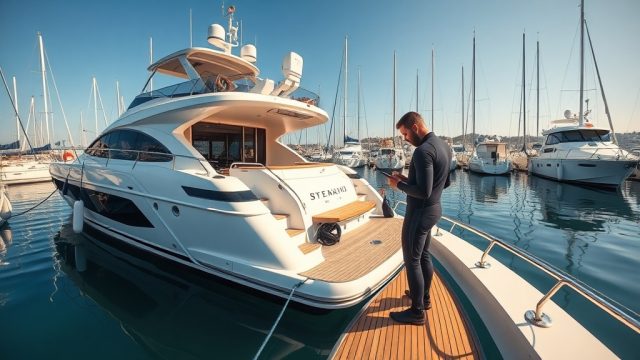
A marine survey is a comprehensive inspection of a vessel’s hull, systems, and safety equipment, conducted by a certified surveyor. BoatShield requires a survey for most policies covering vessels over £15,000 in value, especially those older than 10 years. The survey protects both the insurer and the owner by verifying the boat’s condition, identifying pre-existing damage, and ensuring it meets safety standards.
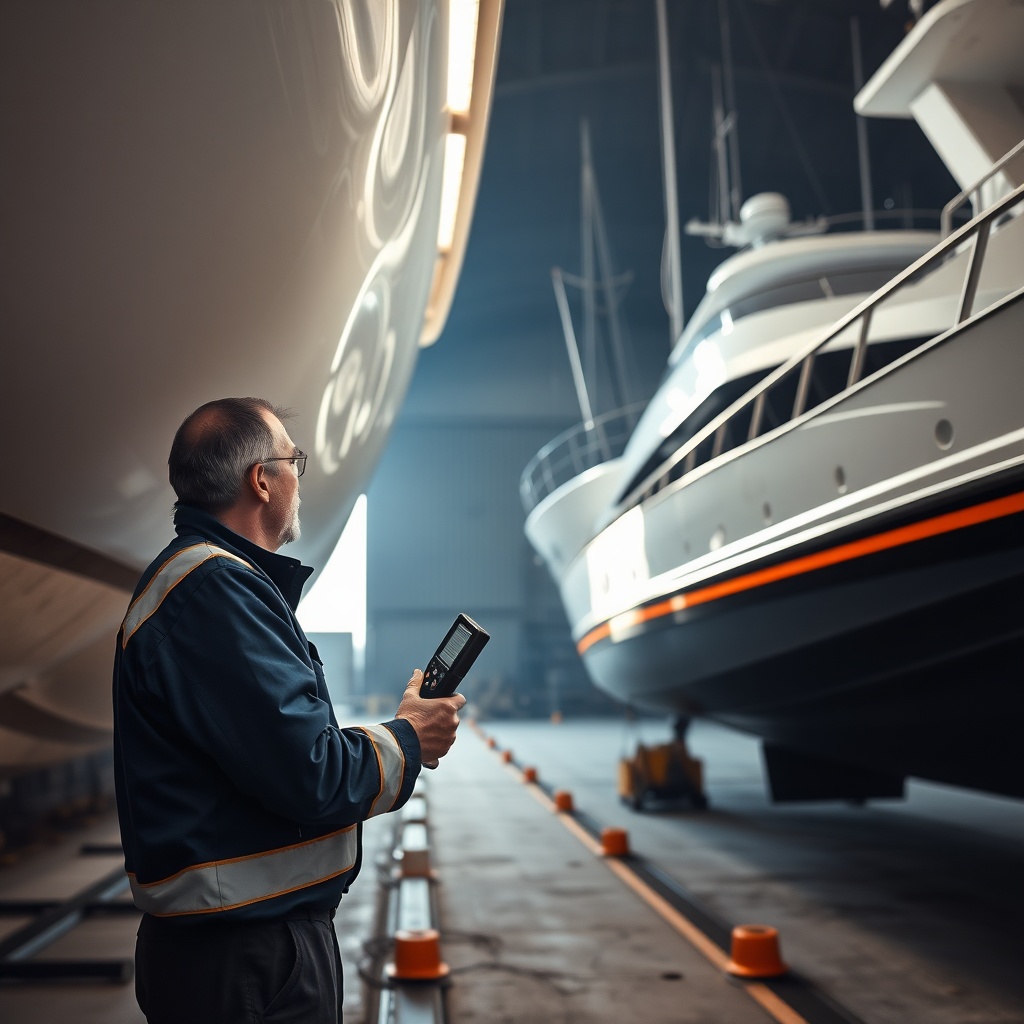
Without a valid survey, your BoatShield Policy Coverage and Exclusions for Liveaboard Vessels may carry significant gaps, particularly for liveaboard policies where the vessel is used as a primary residence. Survey results directly influence premium calculations, coverage limits, and whether exclusion clauses apply for issues like latent defects or poor maintenance.
How Does a Marine Survey Affect Policy Coverage and Exclusions?
A marine survey is the cornerstone of your BoatShield policy. It establishes the baseline condition of your vessel. If the survey reveals serious deficiencies—such as rotten core material, outdated wiring, or corrosion in fuel tanks—BoatShield may apply specific exclusions for those items. For example, a survey might note that the standing rigging on a sailing yacht is original from 2005 and shows signs of fatigue. The policy will then exclude coverage for rigging failure until it is replaced and re-inspected.
Common policy exclusions tied to survey findings include:
- Latent defects that existed before the policy start date
- Damage from electrolysis or galvanic corrosion not mitigated by anodes
- Engine or drivetrain failures linked to lack of maintenance
- Consequential damage caused by delayed repairs
- Structural failure in vessels with poor core sampling results
Understanding these exclusions is vital. If your survey flags a potential issue, you must act before binding coverage. Delaying repairs can lead to a 30% premium surcharge or outright denial of coverage for that system. For comprehensive guidance on how survey results impact valuation, read our article on How Agreed Value and Actual Cash Value Affect Your BoatShield Premium.
What Specific Items Do Surveyors Inspect for BoatShield Policies?
BoatShield requires surveyors to follow the standards set by the Yacht Brokers, Designers and Surveyors Association (YBDSA) or equivalent international bodies. The inspection covers at least 12 major categories. Below is a severity rating table for common findings:
| Category | Common Finding | Severity (1–5) | Policy Impact |
|---|---|---|---|
| Hull (Fibreglass) | Osmosis blistering | 3 | Exclusion for water ingress damage, repair required within 6 months |
| Engine | Cooling system corrosion | 4 | Engine exclusion until overhaul, 25% premium surcharge |
| Electrical | Non-marine grade wiring | 5 | Total fire exclusion, immediate rewire needed |
| Rigging | Stainless steel pitting | 3 | Exclusion for rigging failure, annual inspection required |
| Fuel System | Old rubber fuel lines | 4 | Exclusion for fuel-related fires, replace within 30 days |
| Safety Equipment | Expired flares | 2 | No open water cover until replaced |
| Through-hulls | Seacock seized | 4 | Exclusion for sinking due to failed seacock |
| Anodes | Over 50% depleted | 3 | Exclusion for electrolysis damage |
| Bilge System | Non-functional automatic pump | 5 | Exclusion for bilge-related flooding |
| Structure | Moisture reading >20% in core | 4 | Structural exclusion, core replacement required |
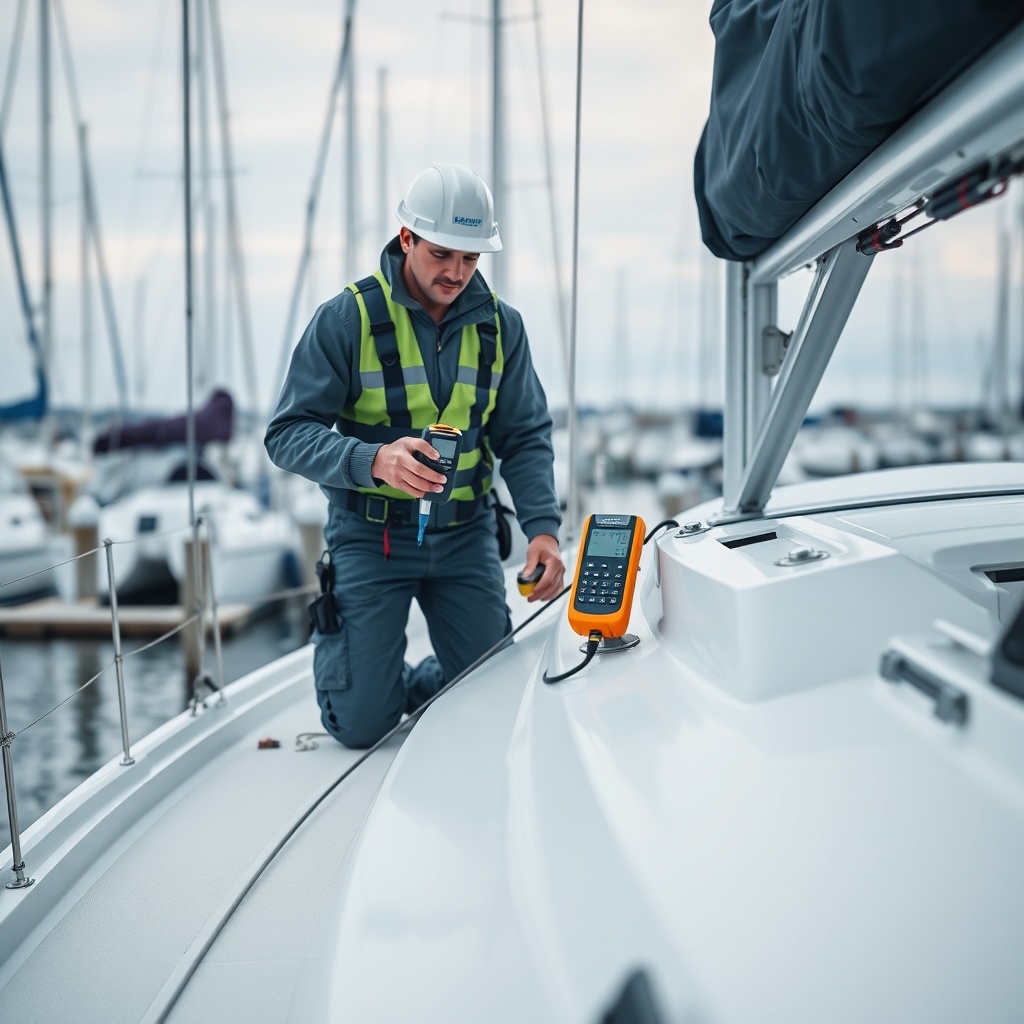
Surveyors use moisture meters, ultrasound, and borescopes to assess hidden areas. Any finding rated severity 4 or 5 must be rectified before BoatShield will offer full coverage. For vessels used as liveaboards, additional scrutiny applies—see our BoatShield Premium Factors and Discounts for Liveaboard Vessels guide for details.
How to Prepare Your Boat for a Marine Survey to Avoid Exclusions
Preparation is key to passing a survey and avoiding unwanted exclusions. Start at least four weeks before the scheduled survey. Gather all maintenance records, receipts for work done, and invoices for equipment upgrades. Clean the vessel thoroughly, inside and out—a dirty bilge suggests neglect.
Step-by-step preparation checklist:
- Service the engine and change oil, filters, and impellers
- Check all seacocks move freely and are labelled
- Replace old fuel lines with USCG or ISO approved hose
- Test all bilge pumps manually and with automatic float switches
- Ensure fire extinguishers are within date and properly mounted
- Verify navigation lights and VHF radio operation
- Inspect standing rigging for cracks, corrosion, or broken strands
- Remove all personal gear to allow access to bilge compartments
- Pressure test the propane/LPG system if fitted
A pre-survey sea trial is also recommended. Surveyors will note engine behaviour at various RPMs, and any overheating or vibration can trigger a mechanical exclusion. If you are a liveaboard owner, pay extra attention to galley systems and heater vents—these are common sources of CO risks and associated exclusions. Our BoatShield Claims Process: Insider Tips to Maximize Your Payout article offers further advice on documenting pre-survey conditions.
What Happens If the Survey Reveals Critical Issues After Binding?
If you purchase a BoatShield policy and a post-binding survey reveals severe problems, the insurer may impose a special exclusion or require immediate remediation. In worst cases—such as a hull core with over 30% moisture content or an engine with terminal overheating—they may cancel the policy mid-term.
However, BoatShield offers a 90-day grace period for non-critical findings. For example, if the survey shows that the standing rigging needs replacement within six months, the policy will cover other risks during that window. But any claim related to the rigging failure will be denied. You must arrange re-inspection and provide repair receipts within the grace period.
For critical findings—like a delaminated deck or a compromised fuel tank—the policy will be voided ab initio if the survey shows these existed before the policy start date, unless you can prove you were unaware of them and acted in good faith. Keep copies of all correspondence with BoatShield and the surveyor. If you encounter disputes, refer to our BoatShield Claims Process: Insider Tips to Work with Your Adjuster for strategies to negotiate reasonable timelines.
How Often Must You Update Your Marine Survey for BoatShield?
BoatShield typically requires a full marine survey every five years for vessels under 15 years old, and every three years for vessels aged 15 and above. Some policies also require an out-of-water hull inspection every two years if the vessel is moored in saltwater, due to increased corrosion risk.
If you miss a required survey renewal, your policy may convert to an actual cash value basis, which can reduce payouts dramatically. For example, a boat originally insured for £80,000 on an agreed value policy might drop to a market value of £55,000 after missing the renewal survey. To avoid this, set calendar reminders and book your survey at least eight weeks before the expiry date.
Survey costs vary by vessel size and location. For a typical 30-foot motorboat, expect to pay £500–£800 for a full survey, including a sea trial. For a 50-foot yacht, costs can reach £1,200–£2,000. This investment ensures your coverage remains solid and your exclusions are minimised. For specific guidance on valuation types, read BoatShield: Agreed Value vs Actual Cash Value for Wakeboard Boats.
What Owners Say
BoatShield policyholders frequently report that thorough survey preparation saves both money and stress. David, owner of a 2005 Bavaria 39, says: “I spent £400 on pre-survey repairs—new battery cables and a bilge pump—and it saved me from a £1,500 surcharge. The surveyor flagged old hose clamps, but because I had receipts showing replacement, BoatShield waived the exclusion.”
Another owner, Sarah, who lives aboard a 42-foot trawler, notes: “The liveaboard survey was more intense—they checked the heater vents and CO detectors. I had to install a new detector, but it was worth it for the peace of mind. My policy now covers liability and contents without a single exclusion.”
Negative feedback often centres on how survey results affect renewals. “After five years, my premium jumped because of minor blistering,” says Mark, owner of a 28-foot cruiser. “I had to get the hull blistered and repainted to get the agreed value back.” Many owners recommend building a relationship with a single surveyor who understands BoatShield’s requirements, as consistency helps avoid surprise exclusions.
Frequently Asked Questions
Q1: Can I use my own surveyor for a BoatShield marine survey?
Yes, but the surveyor must be independently certified by a recognised body such as YBDSA, NAMS, or SAMS. BoatShield does not accept surveys performed by owners, brokers, or marina staff. You must provide the surveyor’s credentials and insurance details.
Q2: What happens if I sell my boat shortly after a survey? Is it transferable?
Typically, a marine survey is not transferable between owners unless stated otherwise. The new owner must arrange their own survey for a new policy. However, if the same person buys another vessel, BoatShield may accept a recent survey report from the previous boat if it is less than six months old and the new vessel is similar in size and age.
Q3: Do I need a survey for a trailerable boat under 22 feet?
BoatShield generally waives the survey requirement for vessels under 22 feet or with a hull value below £15,000. However, if the boat is used for high-speed wakeboarding or has extensive customisation, a survey may be requested. Check your policy documents or speak with an agent.
Q4: Can a survey result be appealed if I disagree with a finding?
Yes. BoatShield allows a second opinion from another certified surveyor at your expense. If the second survey disputes a critical finding, BoatShield will review both reports. You must inform BoatShield before any repairs are made, as altering the vessel can invalidate the original findings.
Q5: Does BoatShield pay for damage discovered during a survey?
No. A survey is a pre-policy inspection and is not covered by an active policy. Any pre-existing damage identified will not be covered by BoatShield, even if it was unknown to you. You must repair it before coverage begins, or accept a specific exclusion for that item.
Q6: How long does a survey report remain valid for BoatShield?
For vessels under 15 years old, survey reports are valid for 24 months from the date of inspection. For older vessels, validity is 12 months. After that period, a new survey or a re-inspection of critical items is required to maintain full coverage and avoid automatic exclusions.