What is BoatShield’s Coverage for Liveaboard Vessels?
For those who call their boat home, a standard marine policy often falls short. BoatShield addresses this gap with bespoke liveaboard coverage, recognizing that the vessel is not just a recreational asset but a primary residence. This policy merges traditional boat insurance with elements of homeowners protection, catering to the unique risks of full-time living on the water.
Unlike many competitors that either exclude liveaboards or charge prohibitive premiums, BoatShield offers a dedicated package that includes structural damage, personal liability, and contents coverage. The policy is underwritten by specialist marine insurers who understand the nuances of constant occupancy, such as increased wear from systems running 24/7 and higher risk of fire from cooking and heating appliances.
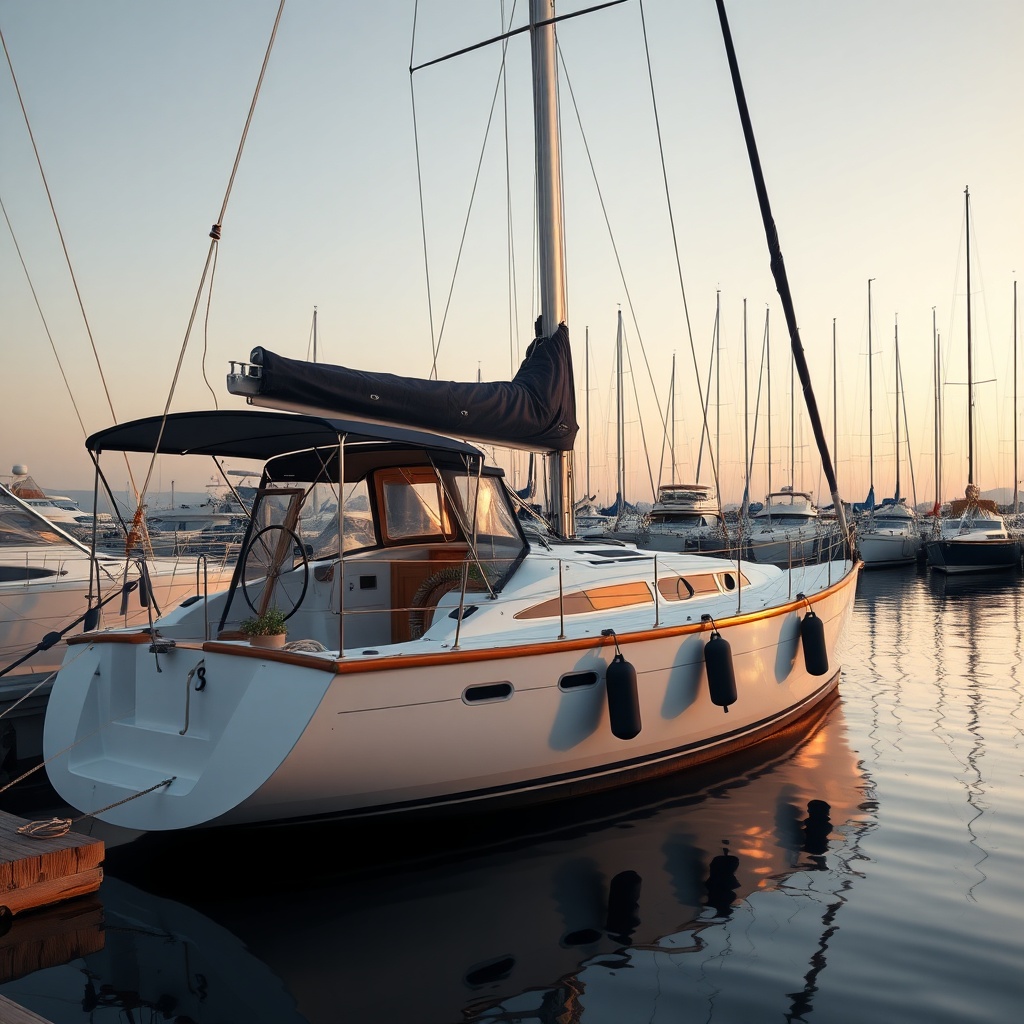
Does BoatShield Cover Full-Time Residency and Habitability?
Yes, with specific habitability endorsements. Standard boat insurance typically excludes losses stemming from “continuous occupation” or treats the vessel as a secondary property. BoatShield’s liveaboard policy explicitly covers the insured for living aboard full-time, provided the vessel is seaworthy and moored in an approved location. The policy defines “habitability” as including essential systems: plumbing, electrical, heating, and cooking facilities.
Coverage extends to alternate accommodation if the boat becomes uninhabitable due to an insured event, such as fire, storm damage, or collision. This is similar to “loss of use” on a home policy but adapted for a vessel. For example, if a burst freshwater tank ruins the interior, BoatShield will pay for temporary lodging, up to 20% of the vessel’s insured value, subject to a maximum of £15,000 per claim. This is a critical distinction from standard policies, which rarely offer this benefit for liveaboards.
Stipulations include ensuring the boat is equipped with carbon monoxide detectors, fire extinguishers, and a bilge alarm system. Failure to maintain these safety devices can void habitability coverage. The policy also requires the owner to winterize the boat if it is in a freezing climate, as frozen pipes are a common cause of interior damage among liveaboards.
What Are the Exclusions Specific to Liveaboard Risks?
BoatShield’s liveaboard policy has several specific exclusions designed to mitigate the higher risk profile of permanent occupancy. Understanding these is crucial to avoid claim denials. The most significant exclusions include:
- Gradual deterioration and wear and tear: Constant use accelerates aging of engines, generators, and plumbing. BoatShield excludes claims for breakdowns due to normal wear, such as a worn-out engine seal or corroded wiring. This is not covered as “sudden and accidental” damage.
- Mold, mildew, and rot: Because liveaboards have higher humidity levels, mold is a common issue. The policy excludes damage caused by moisture that develops over time, unless it results directly from a covered peril like a burst pipe that was promptly reported.
- Mooring and anchoring negligence: If the boat drags anchor or breaks free from a mooring due to inadequate ground tackle or poor maintenance, the resulting damage is excluded. BoatShield requires annual inspection of mooring gear for liveaboard vessels.
- Commercial use: Even if living aboard, any business activity (e.g., chartering, dive instruction, selling goods) is excluded. A separate commercial policy is required for any income-generating activity.
- Intentional or criminal acts: Damage caused by or during illegal activity is not covered.
| Risk Category | Covered Under Liveaboard Policy | Excluded or Limited | Example |
|---|---|---|---|
| Fire/Explosion | Yes, full coverage for structure and contents | Implosion from improper LPG installation | Cooking stove fire → covered. Backdraft from faulty regulator → excluded. |
| Water Damage (sudden) | Yes, from burst pipes, rain, or wave entry | Seepage, humidity, or condensation over weeks | Split hose under sink → covered. Damp wood from unventilated shower → excluded. |
| Theft/Burglary | Yes, if forced entry is evident | Theft of unattended dinghy or outboard not locked | Stolen electronics from locked cabin → covered. Dinghy taken from deck overnight not secured → excluded. |
| Liability | Yes, up to £2,000,000 | Injury to household members or guest if due to owner negligence (e.g., slippery deck) | Guest falls overboard due to sudden heavy weather → covered. Guest slips on unmarked oil spill → excluded. |
| Contents (personal) | Up to £30,000 for named items | Cash over £500, jewelry without valuation, pet damage | Laptop and clothes in cabin fire → covered. Currency in drawer destroyed by water → limited to £500. |
BoatShield also excludes earthquakes and tidal waves unless a specific endorsement is purchased, which is rare in UK waters but relevant for those cruising to high-risk zones like the Mediterranean or Caribbean. Compare this with competitors here.
How Does Agreed Value Work for Liveaboard Boats?
For liveaboard vessels, the choice between Agreed Value (AV) and Actual Cash Value (ACV) is pivotal. BoatShield offers both, but strongly recommends Agreed Value for liveaboards because it reflects the true replacement cost of the boat as a home, not just its market value. Under AV, the insured amount is fixed at policy inception and not depreciated at claim time. This means if your 15-year-old catamaran is insured for £120,000, you’ll receive that exact amount minus the deductible in a total loss, regardless of depreciation.
Learn more about how AV vs ACV affects your premium. For liveaboards, we suggest insuring to at least 80% of the vessel’s replacement cost to avoid co-insurance penalties. Under ACV, depreciation over time significantly reduces payout. A boat worth £100,000 new might only fetch £40,000 after 10 years due to depreciation, leaving you unable to replace it as a home. BoatShield’s AV policy also allows for annual adjustments based on survey-appraised value, ensuring coverage keeps pace with improvements or market fluctuations.
It is worth noting that personal modifications, such as solar panels, water makers, or custom cabinetry, must be separately scheduled to be covered under AV. Standard boat insurance often ignores these improvements, but BoatShield’s liveaboard policy allows you to add them as “permanent installations” for additional premium, typically 1-2% of their value per year.
What Discounts Are Available for Liveaboard Owners?
BoatShield provides several discounts specifically tailored to liveaboard owners who manage risk responsibly. First, a Safety Equipment Discount of up to 10% is available for owners who install automatic bilge pumps, fire suppression systems, GPS tracking, and comprehensive monitoring systems. Second, a Bundled Policy Discount of 15% applies if you also insure your dinghy, tender, or land-based contents through BoatShield. Third, a Claim-Free Renewal Discount of 5-12% is available after three consecutive years without a claim.
Check the full list of discounts for liveaboards to see if you qualify. Additionally, owners who complete a recognized boating safety course, such as RYA Level 2 Powerboat Handling or Day Skipper, can receive a 5% discount. Liveaboards moored in approved marinas with 24-hour security and shore power also qualify for lower rates compared to those at anchor or in unsupervised moorings. To maintain these discounts, owners must provide proof of compliance every two years.
What Are the Navigation Area Restrictions for Liveaboards?
BoatShield’s liveaboard policy includes specific navigation limits. Typically, coverage is for UK inland and coastal waters up to 60 nautical miles from the coast, including the Channel Islands and southern Ireland. For extended cruising, such as crossing the Bay of Biscay or transiting the French canals, a cruising extension is required. This extension adds about 15% to the premium and requires the vessel to be surveyed to Category A offshore standards.
Read more about state-specific navigation rules here. If you live aboard and wish to motor in protected areas like the Norfolk Broads or Scottish lochs, no additional endorsement is needed, but the policy excludes ice navigation. A notable exclusion is that liveaboard vessels are not covered while within 5 nautical miles of active military zones or while participating in races or rallies without prior written consent. Owners must also comply with local harbour master regulations regarding permanent residency, as non-compliance can void coverage.
What Owners Say About BoatShield Liveaboard Coverage
“After years of struggling with insurers who didn’t understand liveaboard life, BoatShield finally offered a policy that treats us like homeowners, not boaters,” says James T., a liveaboard on a 42-foot motor yacht in Southampton. “When a storm ripped our canvas and let in water, the claim was paid in full within 14 days. The habitability coverage covered a hotel while we dried out.”
Sarah L., who lives on a 38-foot catamaran in Cornwall, adds: “The content coverage is fantastic. My laptop and camera were stolen from the saloon, and they covered the full replacement value with no haggling. The only hiccup was they required a survey every two years, which is fair given the condition of older boats.”
However, some owners note that the premium is higher than standard policies, often by 25-40%, but they view it as worthwhile for the peace of mind. Read tips for a smooth claim process here. Many also appreciate the clear communication of exclusions, avoiding surprises at claim time.
Frequently Asked Questions
1. Can I live aboard my boat full-time and still be insured by BoatShield?
Yes. BoatShield’s liveaboard policy explicitly covers full-time residency, provided you meet safety requirements such as having smoke and CO detectors, a bilge alarm, and proper mooring. You must declare that you live aboard at application.
2. Does BoatShield cover my personal belongings inside the boat?
Yes, up to £30,000 for personal contents such as clothing, electronics, and furniture. High-value items like jewellery or art (over £1,000) must be individually scheduled. Cash is limited to £500.
3. Are there any restrictions on where I can dock my liveaboard?
You must moor in a designated marina, approved anchorage, or private dock that is deemed safe by BoatShield. Anchor moorings in open water often require additional scrutiny and may be excluded without a cruising extension.
4. Does BoatShield cover engine wear and tear from constant use?
No. Mechanical breakdown due to gradual wear is excluded. However, sudden failure caused by a covered peril, like a lightning strike or collision, is covered. Routine maintenance is the owner’s responsibility.
5. How do I make a claim for water damage from a burst pipe?
Report the claim immediately via the BoatShield portal or helpline. Mitigate further damage by shutting off water supplies. A surveyor will inspect within 48 hours. Cover applies if the pipe burst suddenly and was not due to freezing if you failed to winterize.
6. Can I take my liveaboard to the Mediterranean for the winter?
Yes, but you need a Cruising Extension Endorsement, which typically adds 15% to your premium and requires the boat to be surveyed to offshore standards. The extension covers up to 6 months abroad in specified regions like the Med, Canaries, or Baltic.