Filing a GEICO Boat Insurance Claim: A Practical Step-by-Step Guide
When your boat is damaged, stolen, or involved in an accident, the last thing you need is confusion about the claims process. GEICO Marine Insurance, backed by their underwriting partners, handles thousands of boat claims each year. This guide walks you through every step, from the initial report to the final settlement, so you know exactly what to expect and how to avoid common delays.
What Should I Do Immediately After a Boat Accident or Damage?
The first few minutes after an incident set the tone for your entire claim. Safety comes first—ensure everyone aboard is accounted for and check for injuries. If anyone is hurt, call emergency services immediately, even if you’re on land. Next, assess whether the boat is taking on water or poses a hazard to other vessels. If it’s safe, move the boat to a protected anchorage or a dock. Do not attempt to restart a flooded engine or move a severely damaged hull; you could worsen the damage and void coverage.
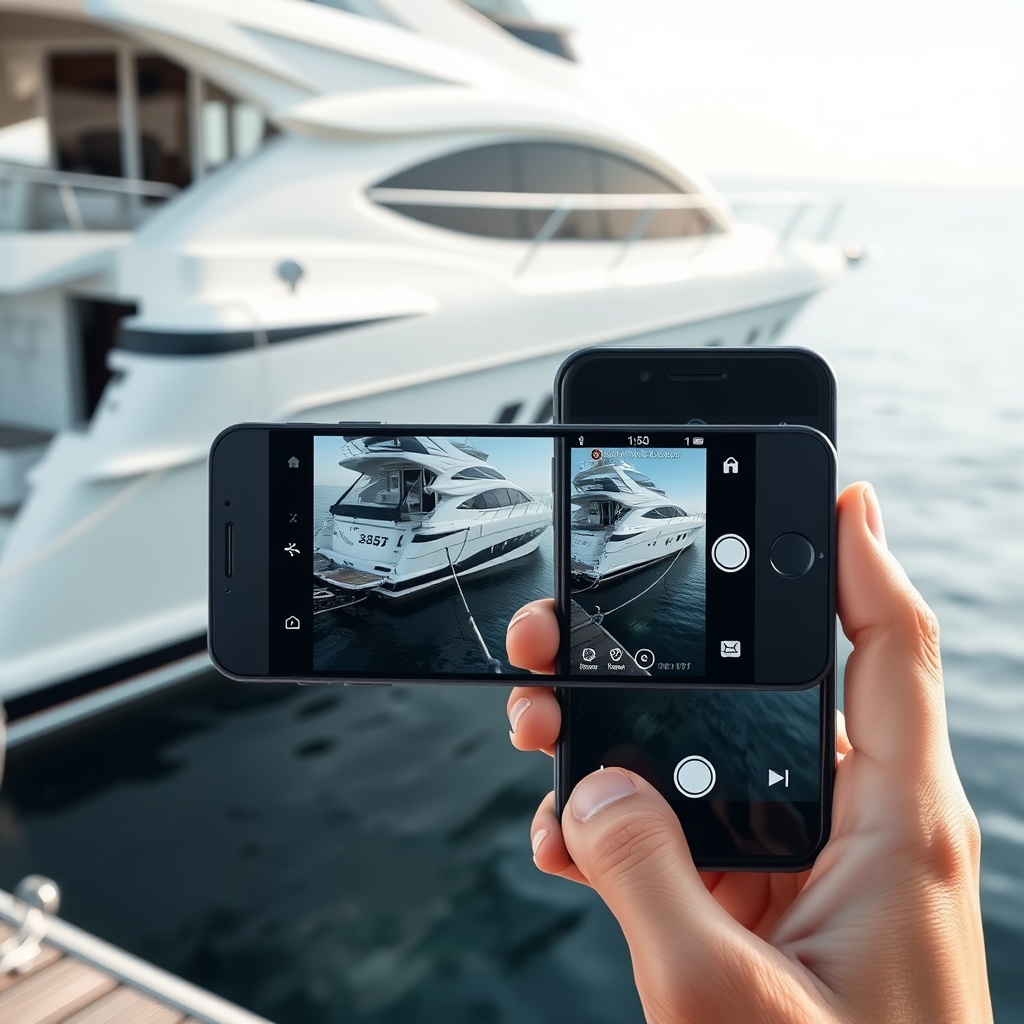
Document everything. Use your phone to take wide-angle photos of the entire scene, then close-ups of every scratch, crack, or dent. Capture the condition of propeller, transom, and rigging. If another vessel or a fixed object (dock, buoy) was involved, get contact information and insurance details from the other party. For theft or vandalism, do not touch anything—wait for law enforcement. File a police report for any theft, fire, or hit-and-run; GEICO will almost certainly require a case number.
If you’re towing a trailer when the accident happens (common for trailered boats), photograph the trailer, hitch, and tie-downs separately. Many claims fail because damage from road incidents is mistakenly treated as a boat-only issue. Finally, do not admit fault or sign anything at the scene. A brief factual statement to authorities is sufficient.
Key immediate steps:
- Secure the vessel and prevent further damage (use pumps, tarps, or a tow if safe)
- Photograph everything from multiple angles
- Notify law enforcement if required (theft, fire, injury, or collision with another vessel/property)
- Exchange insurance details with other involved parties
- Do not repair anything until instructed by GEICO
How Do I File a Claim with GEICO Boat Insurance?
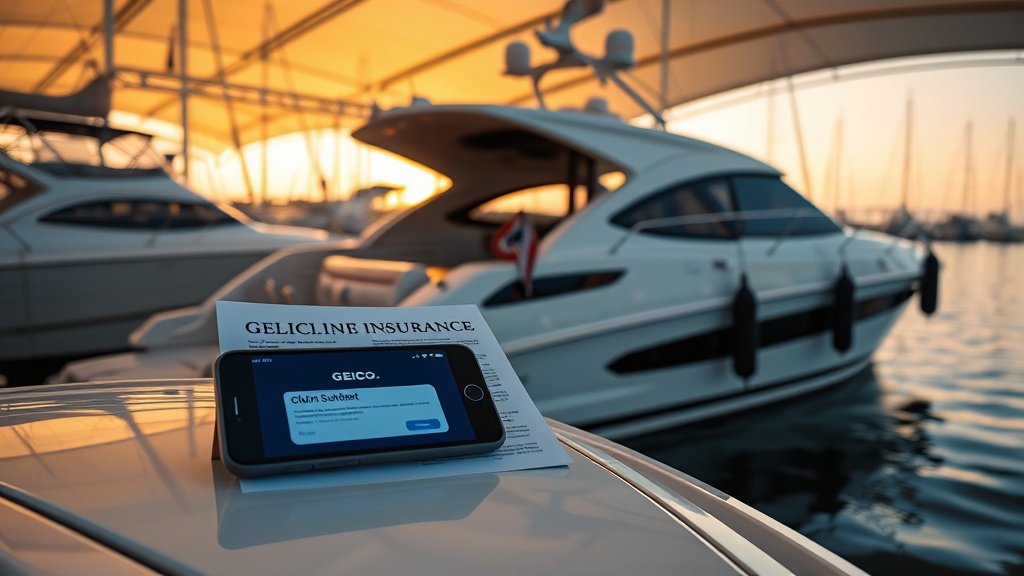
You can start your claim in three ways: online through the GEICO mobile app, by calling their 24/7 claims hotline (listed on your policy card), or via your local GEICO agent if you have a dedicated marine representative. For most boat owners, the phone call is fastest—especially if you need immediate assistance like a tow or a salvage operation. The representative will ask for your policy number, a brief description of the incident, and the location of the boat. Have your documentation (photos, police report, witness contacts) ready.
Within 24–48 hours, a dedicated marine claims adjuster will be assigned. For simple claims like a torn Bimini top or minor gelcoat damage, you might be directed to a local preferred repair shop. For major losses—sinking, fire, or total loss—a field adjuster may inspect the boat in person at a marina or repair yard. GEICO’s marine division typically uses a network of certified marine surveyors and repair facilities, especially for larger boats over 26 feet.
You will receive a claim number and a contact name. Write these down and use them for all future correspondence. GEICO will ask you to keep all receipts for emergency repairs (e.g., temporary patching, pump rental, towing). Keep a log of every conversation, including the date, time, and what was said. If you have Agreed Value coverage, the settlement amount is generally fixed from the start, which simplifies the process. If you have Actual Cash Value (ACV) coverage, be prepared for depreciation calculations, which we cover later.
What you’ll need to file:
- Policy number and effective dates
- Date, time, and location of the incident
- Detailed description of what happened
- Photos and videos of the damage
- Police report number (if applicable)
- Contact info of any other parties or witnesses
What Does a GEICO Boat Insurance Claim Cover and Exclude?
GEICO boat policies (underwritten by a handful of A-rated carriers) typically cover physical damage from collision, fire, theft, vandalism, lightning, storms, and sinking. Liability coverage, which pays for damage you cause to other boats or property and related legal costs, is included in most comprehensive packages. For a deeper dive into what’s included and what’s specifically excluded, read our full Geico Boat Insurance: Coverage Highlights and Exclusions guide.
Common exclusions that surprise boat owners include wear and tear, gradual deterioration, corrosion, marine growth, osmosis (in fiberglass hulls), damage caused by animals (like rodents chewing wiring or barnacles), and mechanical breakdown not caused by a covered sudden event. If your engine seizes because of a lack of oil or a failed water pump impeller, that is not covered. Similarly, damage from improper winterization (frozen block) is almost always denied unless you purchased specific cold-weather rider.
Intentional damage, illegal activity, and claims arising from racing or chartering (unless you have a commercial policy) are also excluded. Check your policy’s “Navigational Limits” section—operating your boat outside allowed waters (e.g., crossing the Gulf Stream without authorization) can void coverage for that incident. For liability specifics, including how GEICO handles incidents with third parties, see our article on Geico Liability Coverage: Protecting You on the Water.
| Claims Severity Level | Examples & Response Time |
|---|---|
| Low Severity (Non-Urgent) | Small gelcoat scratches, torn canvas, failed electronics, minor roofing or upholstery damage. Typically handled by phone or mobile app. Adjuster may not need to see the boat. Repair cost under $2,000. Response within 2–5 business days for payment approval. |
| Medium Severity (Requires Attention) | Hull impact damage (no breach), storm damage requiring a haul-out, propeller strike causing shaft damage, fire damage limited to engine bay, or theft of outboard motor. Field adjuster or surveyor inspects. Repairs $2,000–$15,000. Response within 1 week after inspection. |
| High Severity (Immediate Action) | Sinking, major fire, collision with another vessel, total loss, or damage from grounding. Requires emergency salvage and full survey. GEICO dispatches a marine loss specialist. Repairs often exceed $15,000 or the vessel is declared a constructive total loss. Response within 24–48 hours for initial contact; settlement may take 2–6 weeks. |
How Is My Claim Value Calculated: Agreed Value vs. Actual Cash Value?
The method GEICO uses to value your claim depends on the policy option you selected when you bought coverage. If you chose Agreed Value, you and GEICO agreed on a fixed boat value at policy inception (often based on a survey). In a total loss, you get that agreed amount minus your deductible, with no depreciation applied. This is the standard for well-maintained boats over a certain age or value, and it’s the most predictable route.
If you have Actual Cash Value (ACV), the settlement amount is the boat’s market value at the time of loss, which factors in depreciation. For a 10-year-old boat that originally cost £20,000, the ACV might be only £8,000 to £12,000, depending on condition and market trends. Partial damage claims are also affected—for example, a 5-year-old outboard engine replacement would be settled at a depreciated value unless you have replacement cost coverage on accessories. See our detailed comparison of Geico: Agreed Value vs Actual Cash Value Options for a full breakdown with numbers.
In either case, GEICO will require a survey or appraisal for large claims to confirm the boat’s pre-loss condition. If you have betterment clauses (common with canvas, batteries, and tires), expect a deduction for the usable life already consumed. Always ask the adjuster to explain any deduction line-by-line. If you disagree with the valuation, you can request an independent survey at your own expense—or invoke the appraisal clause if your policy includes one, which triggers binding arbitration.
What Happens During a Marine Survey for a Major Claim?
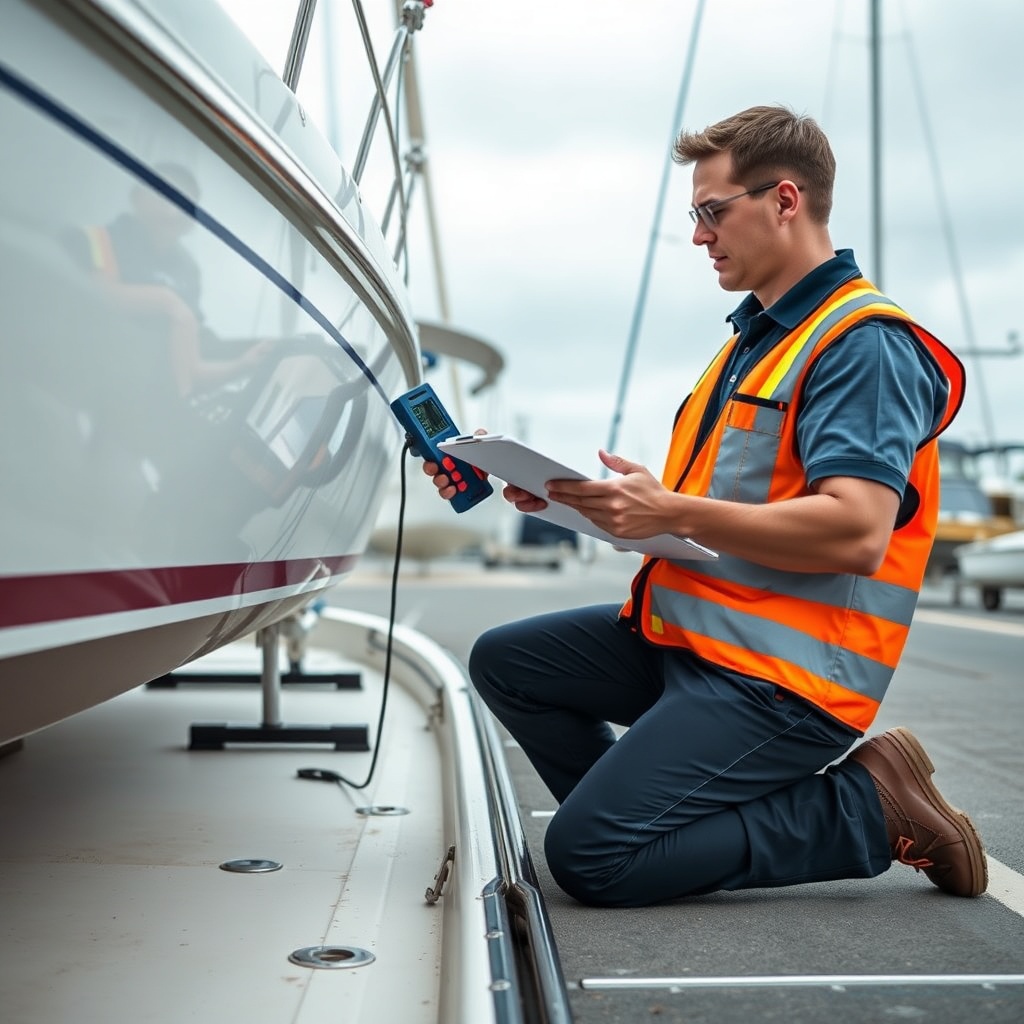
For medium and high-severity claims, GEICO will send a marine surveyor (a certified professional, often an SAMS or NAMS member) to inspect the boat. The surveyor will inspect the hull, deck, structural components, engine, electrical systems, and all safety gear. They’ll look for pre-existing damage or wear that might reduce the settlement. The survey report becomes the basis for the repair estimate or total loss valuation.
You are allowed to be present during the survey. Be prepared to answer questions about the boat’s maintenance history, recent repairs, and how the incident occurred. Provide any maintenance logs, receipts, and previous survey reports—this helps demonstrate that the boat was well-cared for, which can support a higher ACV if applicable. The surveyor will take extensive photos and moisture readings (using a moisture meter) to check for hidden delamination or rot.
For a total loss, the surveyor will also assess the salvage value—what a wrecked boat is worth for parts or scrap. GEICO will subtract this from your settlement if you keep the wreck; if they take it, their salvage recovery reduces your pay out. If you think the surveyor’s estimate is too low, you can hire your own marine surveyor (at your cost) to prepare a rebuttal report. GEICO is not obligated to accept it, but it gives you leverage in negotiation.
How Long Does GEICO Boat Insurance Claims Take?
Timeline varies wildly by complexity. Simple claims (scratches, torn covers) can be approved and paid within 5 to 10 business days after filing. Medium claims (with an adjuster inspection and repair estimate) average 2 to 4 weeks. Major claims, especially total losses or those requiring salvage, often take 6 weeks to 3 months. Delays usually happen when the adjuster needs more documentation (e.g., proof of maintenance, police report, or a second opinion) or if there’s a dispute about the cause of damage (e.g., wear and tear vs. sudden event).
You can speed things up by responding quickly to adjuster requests, providing all paperwork upfront, and allowing immediate access to the boat. If your boat is being repaired, the yard’s schedule also affects timing; GEICO doesn’t control the shop’s backlog. You can also ask for a “cash-out” settlement based on the repair estimate rather than waiting for the work to be done, though this shifts the risk of finding a contractor to you.
If your claim is complex, you might need a marine attorney, especially if liability is disputed or if GEICO alleges an exclusion. In such cases, the claim can stretch out for months. Always keep copies of all correspondence and repair authorizations. The Geico Liability Coverage: Protecting You on the Water article covers what to do if you’re sued after a boating accident.
What Owners Say About GEICO Boat Insurance Claims
We gathered feedback from boat owners who have filed claims with GEICO Marine. While experiences vary, a few patterns emerge:
Owner 1 (Mary, 32′ Bayliner owner, Florida): “Filing was straightforward on the app. I had a small collision with a dock during a squall. The adjuster called the next day, asked for photos, and approved my local fiberglass repair within a week. The only hiccup was that they initially wanted to use a shop 60 miles away. I pushed back and they let me use my usual guy.”
Owner 2 (Tom, 45′ sailboat owner, Chesapeake Bay): “After lightning struck my mast and fried all electronics, the process took over six weeks. The surveyor was professional but very thorough—found some old hairline cracks in the keel that he attributed to grounding. GEICO applied a 20% betterment to the new electronics because my old ones were 7 years old. I had ACV coverage, so the payout was less than I hoped. Wish I had known about agreed value before.”
Owner 3 (Rachel, 20′ center console, insured under a bundled auto-home policy): “My claim for a stolen outboard was handled by the same general auto adjuster, not a marine specialist. It took three weeks of back-and-forth before they finally assigned a marine adjuster. He was great after that, but the initial delay was frustrating. I’d recommend calling the dedicated marine claims number, not the general line.”
Frequently Asked Questions
Frequently Asked Questions
- Does GEICO boat insurance cover towing after a breakdown? GEICO policies typically include a limited amount of emergency assistance, such as towing, fuel delivery, and soft ungrounding, but the coverage is often capped (e.g., £500 per incident) and subject to a deductible. If you want unlimited towing, you need a separate membership like BoatUS or Sea Tow.
- Can I choose my own repair shop for a GEICO boat claim? Yes, you generally can choose your own repair facility, but GEICO may have a preferred network with negotiated rates. If you choose an out-of-network shop, the adjuster will base the estimate on local market rates. You may need to pay the difference if your shop charges above that estimate.
- How does GEICO handle claims for outboard motors stolen off the boat? Theft of a mounted outboard is typically covered under your hull policy, subject to your deductible and the value type (ACV or Agreed Value). If the motor is on a separate trailer, it may fall under auto insurance if attached to a vehicle. Always lock and use a theft-deterrent device to avoid surcharges after a claim.
- What if the damage was caused by a named storm? Does GEICO have a separate hurricane deductible? Yes, for coastal policies, GEICO often applies a separate hurricane or named storm deductible, usually 2% to 5% of the boat’s insured value. This deductible applies to wind-related damage in areas under a hurricane watch or warning. Check your policy declaration page for the exact percentage.
- Will my GEICO boat insurance premium increase after a claim? It can. GEICO Marine underwriters review loss history at renewal. A single minor claim with no fault might not raise rates noticeably, but frequent claims or a large total-loss payout will likely increase your premium or lead to non-renewal. Many boaters choose to pay out-of-pocket for small repairs under £1,000.
- How do I dispute a GEICO boat insurance claim settlement? Start by requesting a detailed breakdown of the settlement from your adjuster. If you disagree, provide documentation showing a higher boat value (e.g., broker listings, recent survey, receipts for upgrades). You can escalate to a supervisor or file a formal appeal. If all else fails, invoke the policy’s appraisal clause or consult a marine attorney.