Save on Allstate Boat Insurance: Key Discounts and Factors
Allstate Boat Insurance offers robust protection for a wide variety of watercraft, from small fishing boats to luxury yachts. However, the cost of a policy can vary significantly based on your boat’s specifications, your boating history, and where you keep it. Understanding the specific discounts Allstate offers and the factors that influence your premium is the first step to securing affordable coverage without sacrificing protection.
What boat-specific discounts does Allstate offer?
Allstate provides several discounts directly tied to the characteristics of your boat and how you use it. The most common include a multi-policy discount when you bundle boat insurance with an existing Allstate auto or home policy—this can yield up to 15% savings. Another is the paid-in-full discount; if you pay your annual premium upfront rather than in installments, you save roughly 5–10%. Additionally, Allstate offers a safety device discount for boats equipped with theft-deterrent systems, fire extinguishers, or GPS tracking.
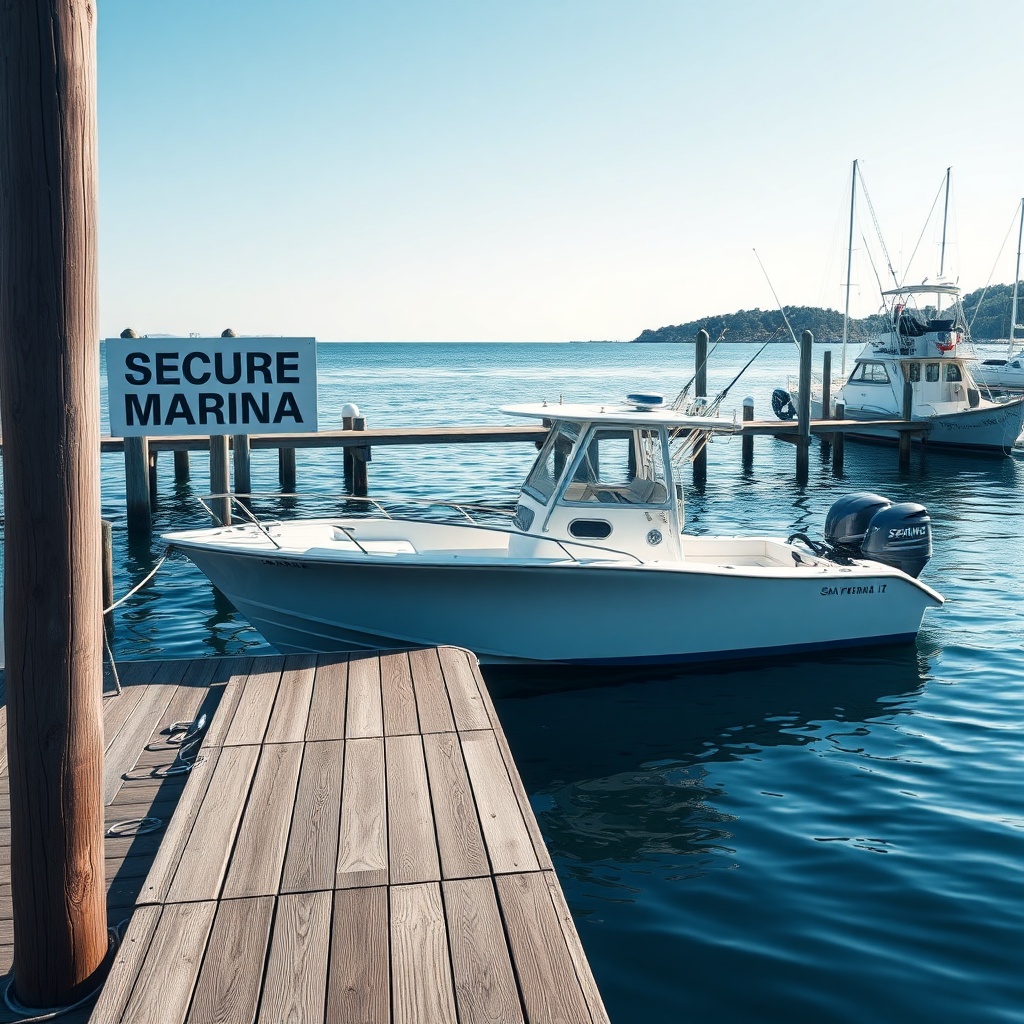
For boaters who complete an approved boating safety course, Allstate provides a boater education discount, typically around 5–10%. This discount rewards responsible ownership and is available to all named operators. Finally, if your boat is stored in a secure marina or dry-stack facility during the off-season, you may qualify for a storage discount. These discounts stack, so it’s worth asking your agent to verify eligibility for each.
How does boat value and age affect my Allstate premium?
Your boat’s agreed value or actual cash value directly determines your premium. For newer boats—less than five years old with a market value above $50,000—Allstate often requires a survey to set the agreed value. Older boats (10–15 years or more) may see higher rates because parts and repair labor become more expensive and harder to source. For example, insuring a 2022 25-foot bowrider valued at $60,000 might run $1,200–$1,800 annually, while a 2005 sailboat worth $25,000 could cost $600–$900 per year, assuming similar deductibles and coverage limits.
Allstate also uses a tiered hull policy structure: standard hull policies for boats under 26 feet with lower speeds, and performance or high-value hull policies for faster or pricier vessels. If you own a boat over 50 feet or with inboard diesel engines exceeding 200 HP, expect a premium surcharge of 15–25%. To keep costs manageable, consider raising your deductible from $250 to $1,000—this can lower your annual premium by up to 20% with Allstate.
| Boat Condition/Value | Typical Rate Effect with Allstate |
|---|---|
| New boat (under 5 yr) under $50K | Standard rate; no survey required |
| New boat (under 5 yr) over $50K | Survey may be required; potential 5–10% surcharge |
| Older boat (10–15 yr) average condition | 10–15% higher premium due to repair cost uncertainty |
| Older boat (20+ yr) well-maintained | Typically 5–10% surcharge, may need lay-up period discount |
| Performance boat (50+ mph rated) | 20–30% premium increase on hull coverage |
What operating factors influence Allstate boat insurance rates?
Where and how you use your boat are major premium drivers. Geographic location matters: boats operated in coastal waters with high hurricane risk (e.g., Florida, Texas, Gulf Coast) carry a windstorm surcharge averaging $200–$500 per year. Inland lakes and rivers usually have lower rates. Allstate also looks at your navigable range—operating in designated “high-risk” offshore zones (beyond 25 nautical miles) can add a 10–20% surcharge.
Your boating experience counts: if you have less than three years of ownership or a prior claim, Allstate may categorize you as higher risk, raising your base rate by 10–15%. Conversely, a clean claims history over five years often qualifies for a claims-free discount of 5–10%. Your storage location also matters—docked in a slip all year is riskier than trailer storage or dry-stack; expect a 5–15% difference.
How deductible choices lower Allstate boat insurance cost
Allstate lets you set separate deductibles for hull damage and liability claims. For hull claims, you can choose from $250, $500, $1,000, or even $2,500. Raising your hull deductible from $500 to $1,000 typically reduces the hull premium portion by 15–25%. For liability, deductibles are usually $0 or a nominal amount, but you can opt for a higher liability deductible (e.g., $500) to trim the total package premium by 5–10%.
One nuance: if you finance your boat, your lender may cap the maximum hull deductible at $1,000. Check your loan paperwork before increasing it. For older boats with lower market value, a $1,000 or $2,500 deductible often makes sense because the premium savings outweigh the risk of a small claim that could increase future rates. Allstate also offers a vanishing deductible option for some policies, reducing your deductible by $50–$100 each year you stay claim-free, which can incentivize safe operation.
What policy customizations affect Allstate boat insurance premiums?
Beyond core coverage, Allstate offers add-ons that increase your premium but may be essential for your situation. Agreed value coverage (replacing actual cash value) adds 10–20% to the hull premium but ensures you receive a fixed payout in a total loss, not a depreciated amount. Roadside assistance for boaters is around $25–$50 per year and covers towing, fuel delivery, and lockout service.
Another factor is uninsured boater coverage, which protects you if an operator without insurance hits you. It costs about 5–10% extra on the liability portion. If you carry trailer coverage for your boat trailer, Allstate typically adds $30–$60 per year. Skipping these add-ons lowers your upfront cost, but consider your risk exposure. For example, if you trailer your boat frequently, trailer coverage is wise. If you moor in a crowded marina, uninsured boater coverage is prudent.
For a full breakdown of what each coverage type includes, read our detailed guide on Allstate Boat Insurance: What’s Covered and What’s Not.
What Owners Say
Owners who have navigated Allstate boat insurance often share practical insights. One common observation is that the multi-policy discount is significant—many report savings of 12–15% when bundling with auto insurance. Another frequent comment is that the boater education discount is easy to qualify for; owners who took a free online safety course from the U.S. Coast Guard Auxiliary saved about $50–$80 per year. A third takeaway: Allstate’s claims process for minor incidents (e.g., propeller damage) is straightforward, but larger claims—like a total loss after a storm—tend to involve more documentation. For a deeper look at the claim experience, see Navigating Allstate Boat Insurance Claims.
Frequently Asked Questions
1. What is the minimum coverage required by Allstate?
Allstate does not impose a single minimum; coverage requirements depend on state law and any lender mandate. However, most policies include at least $100,000 in liability coverage, and comprehensive/collision is optional unless your boat is financed.
2. How does Allstate calculate the value of my boat?
For newer boats, Allstate uses the manufacturer’s suggested retail price (MSRP) and depreciation from the year of purchase. For older or custom boats, an independent survey may be required to set an agreed value. The policy declaration page will show whether you have actual cash value or agreed value coverage.
3. Can I get a discount for installing a GPS tracker or fire system?
Yes. Allstate typically offers a 5–10% premium discount for boats with an active theft-deterrent system (like GPS tracking) and a 3–5% discount for installed fire suppression systems. You must provide proof of purchase and installation.
4. Does Allstate offer a lay-up period discount?
Yes, if your boat is stored out of water for at least three consecutive months during winter or off-season, Allstate may reduce your comprehensive and collision premiums by up to 20% during those months. You must notify your agent in writing before the lay-up period begins.
5. Will my rates go up after a claim?
Possibly. Allstate uses a surcharge schedule: one at-fault claim over $2,500 can increase your premium by 15–25% at renewal. Multiple claims within three years can lead to non-renewal. Consider paying small repairs out-of-pocket to avoid this.
6. How does liability coverage work for rented or borrowed boats?
Allstate’s standard policy extends liability coverage to a boat you rent or borrow temporarily, but only if you do not own the boat and the rental period is less than 30 days. For full details, see Allstate Liability Coverage for Boat Owners.