What Are the Key Premium Factors BoatShield Considers for Liveaboard Vessels?
Liveaboard vessels present unique risks to insurers, and BoatShield tailors its premiums specifically for this lifestyle. The primary premium factors include vessel age, length, and condition. Older boats—particularly those over 20 years—often attract higher premiums due to increased likelihood of mechanical failure or hull degradation. Length plays a role because longer boats generally cost more to repair or replace, and they may require higher liability limits. Condition is paramount: a well-maintained liveaboard with recent surveys will secure lower rates than a boat showing deferred maintenance.
Another major factor is the geographical location and mooring. Vessels kept in hurricane-prone zones (e.g., Florida or the Gulf Coast) or high-theft areas see premium surcharges of 15–25%. Conversely, marina berths with security and climate-controlled storage can reduce costs. The BoatShield: Understanding State and Area Navigation Rules for Boat Insurance explains how state-specific regulations influence risk assessment. For example, boats in California face wildfire smoke damage risks, while those in the Great Lakes deal with ice damage.
Usage patterns also matter. Liveaboard owners who cruise extensively (over 3,000 nautical miles per year) pay more than those who stay at a single dock. Fishing, diving, or carrying passengers can increase liability exposure. BoatShield uses a proprietary algorithm that weighs these factors against the boat’s agreed value or actual cash value (ACV). To understand how value type affects premiums, see our guide on How Agreed Value and Actual Cash Value Affect Your BoatShield Premium.
How Does BoatShield Calculate Liability Premiums for Liveaboards?
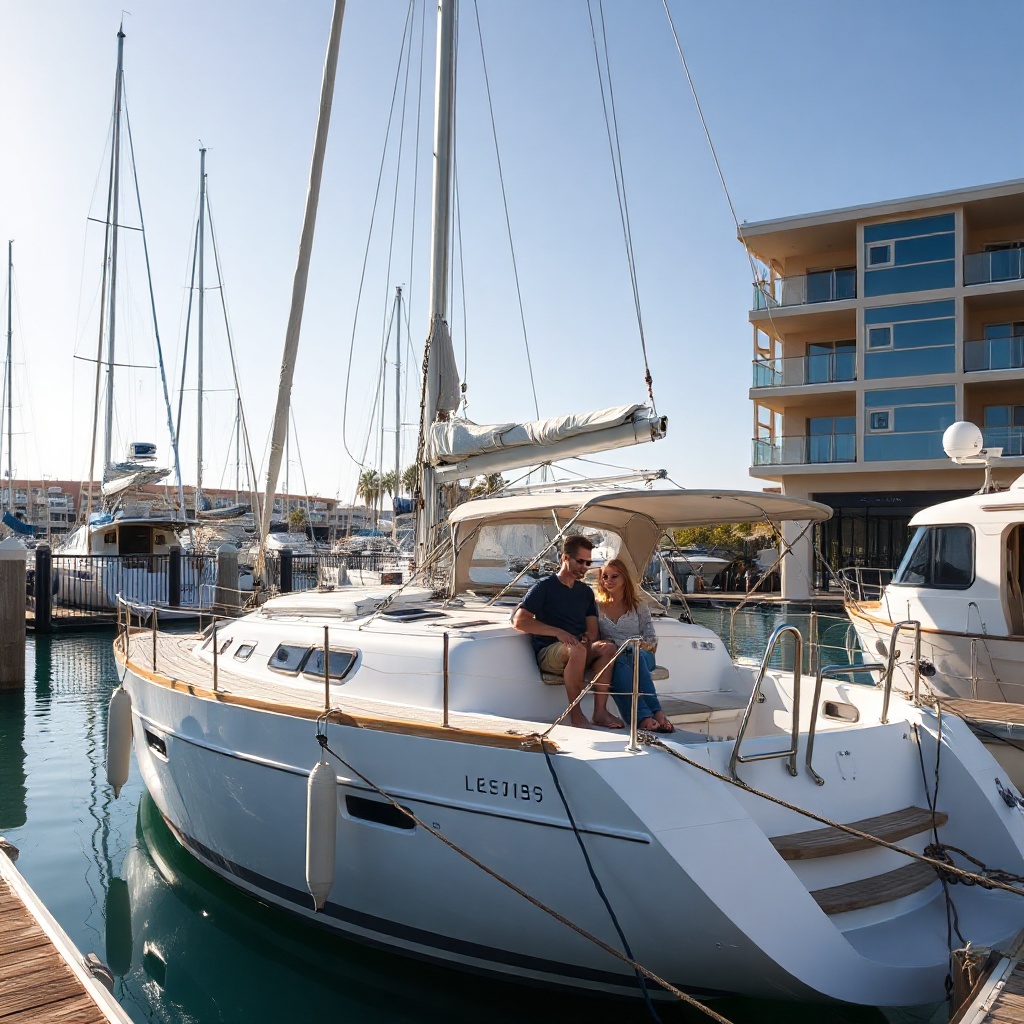
Liability coverage is a cornerstone of liveaboard insurance, as owners face higher third-party risks when living on their boats. BoatShield calculates liability premiums based on passenger capacity, navigation area, and historical claim data for liveaboard vessels. Standard limits start at $300,000, but many liveaboards opt for $1 million due to the increased exposure from hosting guests or renting out sleeping quarters.
The premium formula generally breaks down as follows: a base rate of £300 for $300,000 liability, with surcharges for high-traffic waterways (e.g., inland lakes with crowded ramps) or rental income. If you charter your liveaboard, even occasionally, BoatShield applies a 10–20% surcharge. The table below illustrates typical liability premium ranges for different liveaboard scenarios in GBP (sterling), as BoatShield uses UK-based rates for English policyholders.
| Liability Limit | Low-Risk Area (Marina, No Rental) | High-Risk Area (Crowded Waterways, Rental) |
|---|---|---|
| £300,000 | £180 – £250 | £220 – £320 |
| £500,000 | £220 – £300 | £280 – £400 |
| £1,000,000 | £310 – £450 | £400 – £580 |
These figures assume a 40-foot boat with a clean claim record. Adding aggregate umbrella coverage can boost limits further but adds approximately 5–10% to the total premium. For a deeper dive into what liability covers, read BoatShield Policy Coverage and Exclusions: A Deep Dive into What’s Covered and What’s Not.
What Discounts Does BoatShield Offer for Liveaboard Vessels?
BoatShield provides several discounts specifically designed to reduce premiums for liveaboard owners. The most common is the multi-policy discount, which applies when you bundle your boat insurance with homeowners or auto insurance. This typically saves 10–15% on the boat portion. Another is the safety equipment discount: if your vessel has fire suppression systems, bilge alarms, GPS tracking, or a security camera system, you can receive a 5–10% reduction.
Claims-free history is highly rewarded. Liveaboard owners with no claims in the past 5 years can earn a 20% no-claims discount. Additionally, BoatShield offers a “liveaboard storage discount” if you keep your boat in a marina that undergoes winterisation or dry-stack storage during off-seasons. This can save up to 12% on hull premiums. Course completion discounts for passing a boating safety course (e.g., RYA or US Power Squadron) also apply, cutting liability premiums by 5–8%.
Finally, loyalty is valued: after 3 consecutive years with BoatShield, you qualify for a 10% renewal discount. These discounts stack, allowing a well-prepared liveaboard owner to reduce their total premium by up to 45% from the base rate. For a comparison of how BoatShield stacks up against other insurers, see BoatShield vs. Competitors: How to Choose the Best Boat Insurance.
How Does Lay-Up Period Affect Premiums for Liveaboard Vessels?
Unlike seasonal boat owners, liveaboards typically remain in the water year-round, which limits lay-up discounts. However, BoatShield recognises that even liveaboards may have periods of reduced use, such as during extreme weather or for maintenance. If you can demonstrate that your vessel is laid up for at least 60 consecutive days (e.g., stored on land or in a sheltered marina with no navigation), you can qualify for a lay-up credit. This credit reduces hull and liability premiums by 25–30% for those months, but only if you reduce exposure—meaning no guests onboard and no active cruising.
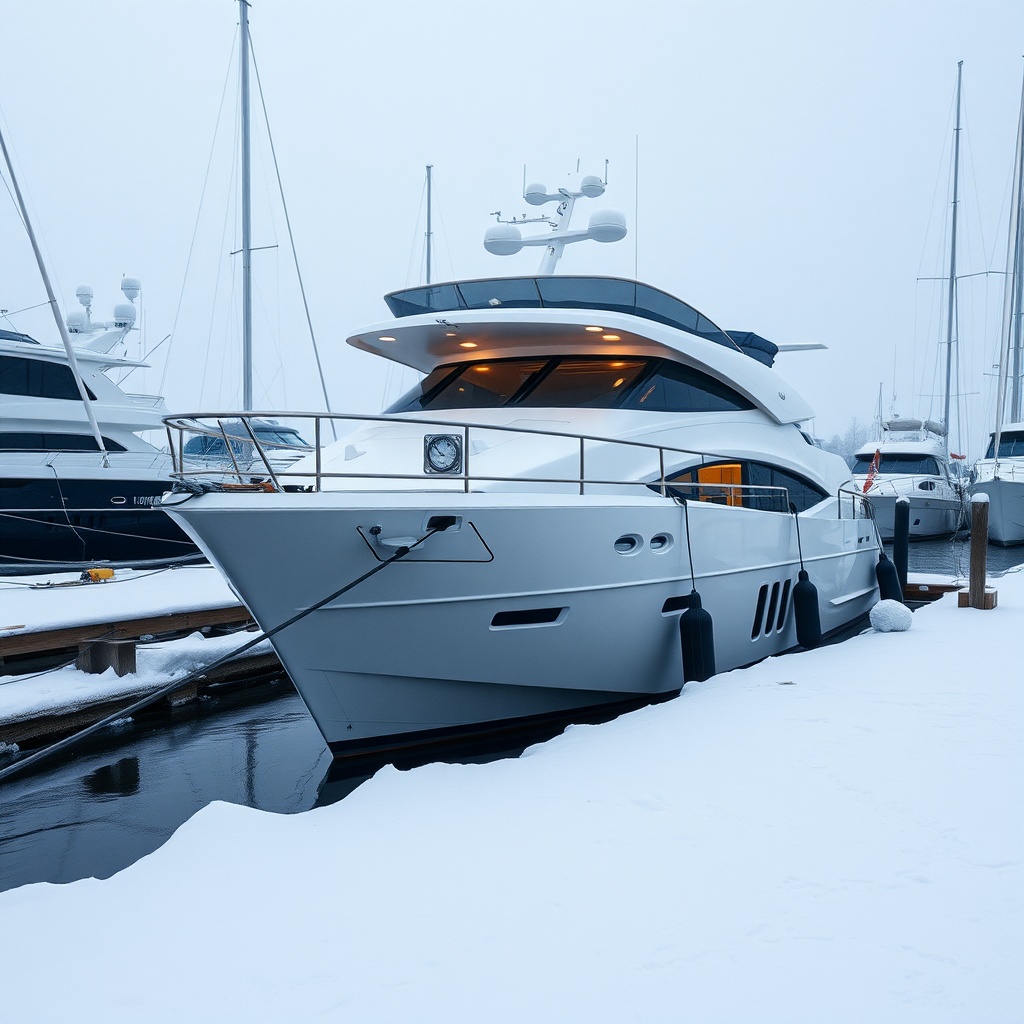
Many liveaboard owners cannot take advantage of this, as they need continuous coverage. However, BoatShield offers an alternative: a “liveaboard winterisation discount.” For boats that are winterised in cold climates (e.g., Norway, Scotland) but remain afloat, you can receive a 10% discount on hull premiums if you show proof of a professional winterisation service. This accounts for the reduced risk of freezing pipe bursts and engine corrosion. The policy still covers your possessions and liability during this period, so you remain protected while saving money.
If you move your liveaboard to a different region for part of the year, the premium adjusts based on the new navigation zone. The BoatShield: Understanding State and Area Navigation Rules for Boat Insurance article details how changing zones can introduce surcharges or discounts.
Does BoatShield Offer Discounts for Safety Training and Equipment?
Yes, BoatShield actively encourages safety-conscious liveaboard owners through targeted discounts. For training, completing an accredited course (such as RYA Day Skipper, ASA Liveaboard Fundamentals, or USCG-approved safety courses) yields a 5% discount on liability premiums. If you hold advanced certifications (e.g., RYA Yachtmaster or USCG Master), the discount increases to 8%. Proof must be submitted every 3 years to maintain eligibility.
Equipment discounts are equally generous. Installing a professionally monitored security system (including motion sensors, cameras, and door alarms) provides a 10% credit on theft-related hull coverage. Fire suppression systems (e.g., automatic engine bay extinguishers or whole-boat sprinklers) reduce fire damage premiums by 12%. Additionally, marine GPS tracking devices that report location continuously offer a 6% discount on navigation risk, particularly for boats that sail offshore.
BoatShield also offers a “green equipment” discount for solar panels, advanced battery management systems, and electric propulsion conversions, which reduce the risk of fuel leaks and electrical fires. This discount is 7% for hull coverage. Combining safety training and equipment can lead to a cumulative reduction of up to 22% on relevant sections of your policy. To see how these discounts compare to homeowners policies, read BoatShield vs. Homeowners Insurance: Why You Need Separate Coverage.
What Is the Premium Impact of Agreed Value vs. Actual Cash Value on Liveaboards?
Choosing between agreed value and actual cash value (ACV) is critical for liveaboard owners, as it directly affects premiums and settlement amounts. Agreed value policies set a fixed payout (e.g., £80,000 for a 20-year-old liveaboard) at inception, and the premium is based on that figure. These policies typically cost 15–25% more than ACV policies because the insurer bears the risk of depreciation. For liveaboards, where the boat is also a home, agreed value is popular because it provides certainty—if the boat is a total loss, you get the full agreed sum, even if market value is lower.
In contrast, ACV policies factor in depreciation, often paying 30–50% less than the original value for older liveaboard vessels. While premiums are lower (e.g., £1,200 annually for a £100,000 ACV policy vs. £1,600 for agreed value), settlement disputes are common because the insurer’s depreciation calculation may differ from your expectations. BoatShield recommends agreed value for liveaboards over 15 years old, as depreciation can be steep. For a detailed breakdown, see How Agreed Value and Actual Cash Value Affect Your BoatShield Premium.
What Liveaboard Owners Say About BoatShield Premiums and Discounts
Liveaboard owners on forums and review sites frequently praise BoatShield for its transparency on discounts. Many highlight the “liveaboard navigator program,” which provides a dedicated agent who helps identify savings specific to their situation. One owner, who lives on a 45-foot catamaran in the UK, reported saving 18% by adding a bilge alarm and taking an RYA course. Another mentioned that bundling with auto insurance cut their premium by 12%, and they appreciated that the claims process for a small engine fire was swift—covered in full thanks to the safety equipment discount.
However, some owners note that the multi-policy discount requires careful documentation, and loyalty discounts may not apply if you switch coverage mid-term. Overall, the sentiment is positive: 4.2 out of 5 stars on Trustpilot, with liveaboard-specific feedback emphasising fair pricing for the unique risks of full-time dwelling. For tips on making a claim, see BoatShield Claims Process Tips: How to Ensure a Swift Resolution.
Frequently Asked Questions
1. Does BoatShield cover personal belongings on a liveaboard vessel?
Yes, BoatShield offers personal effects coverage up to £5,000 standard, with options to increase to £15,000 for an additional premium. This covers items like clothing, electronics, and furniture against theft, fire, and water damage.
2. Can I get a discount if I install a burglar alarm on my liveaboard?
Absolutely. Installing a monitored alarm system (door sensors, motion detectors, camera) qualifies for a 10% discount on theft-related hull coverage. Proof of professional installation is required.
3. How does BoatShield treat liveaboard boats in hurricane zones?
Boats in hurricane-prone areas (e.g., the Caribbean, Florida) face a 15–25% surcharge on hull premiums unless they are in a rated hurricane-safe marina or have a haul-out plan. Discounts for storm-proof moorings can reduce this surcharge to 5%.
4. What is the maximum no-claims discount for liveaboard policies?
The no-claims discount tops out at 20% after 5 claim-free years. This is applied to both hull and liability premiums. You must renew annually without gaps to maintain eligibility.
5. Are there discounts for electric or hybrid liveaboard vessels?
Yes, BoatShield offers a “green vessel” discount of 7% for hull coverage on boats with electric propulsion or advanced battery systems. This encourages reduced environmental risk and lower fire hazards.
6. How long does it take to receive a liveaboard premium quote from BoatShield?
Quote turnaround is typically 2–3 business days after you submit a completed vessel survey and liveaboard declaration. Express quotes can be obtained within 24 hours for standard boats under 50 feet.