BoatShield: Understanding State and Area Navigation Rules for Boat Insurance
Navigating the waters of boat insurance means more than just choosing a policy—it demands a firm grasp of state and area navigation rules that directly affect coverage and liability. For BoatShield policyholders, compliance with these regulations is a cornerstone of maintaining valid protection, as violations can lead to claim denials or increased premiums. This guide explores how state-specific navigation laws, restricted zones, and local waterway rules intertwine with insurance requirements, helping boat owners steer clear of costly mistakes.
What Are State Navigation Rules and How Do They Impact Boat Insurance?
State navigation rules are local laws governing vessel operation, speed limits, and safety equipment on inland waters, often supplementing federal guidelines set by the U.S. Coast Guard. For BoatShield policyholders, adherence is critical because insurance contracts typically include a clause that voids coverage if an accident occurs while violating navigable water regulations.
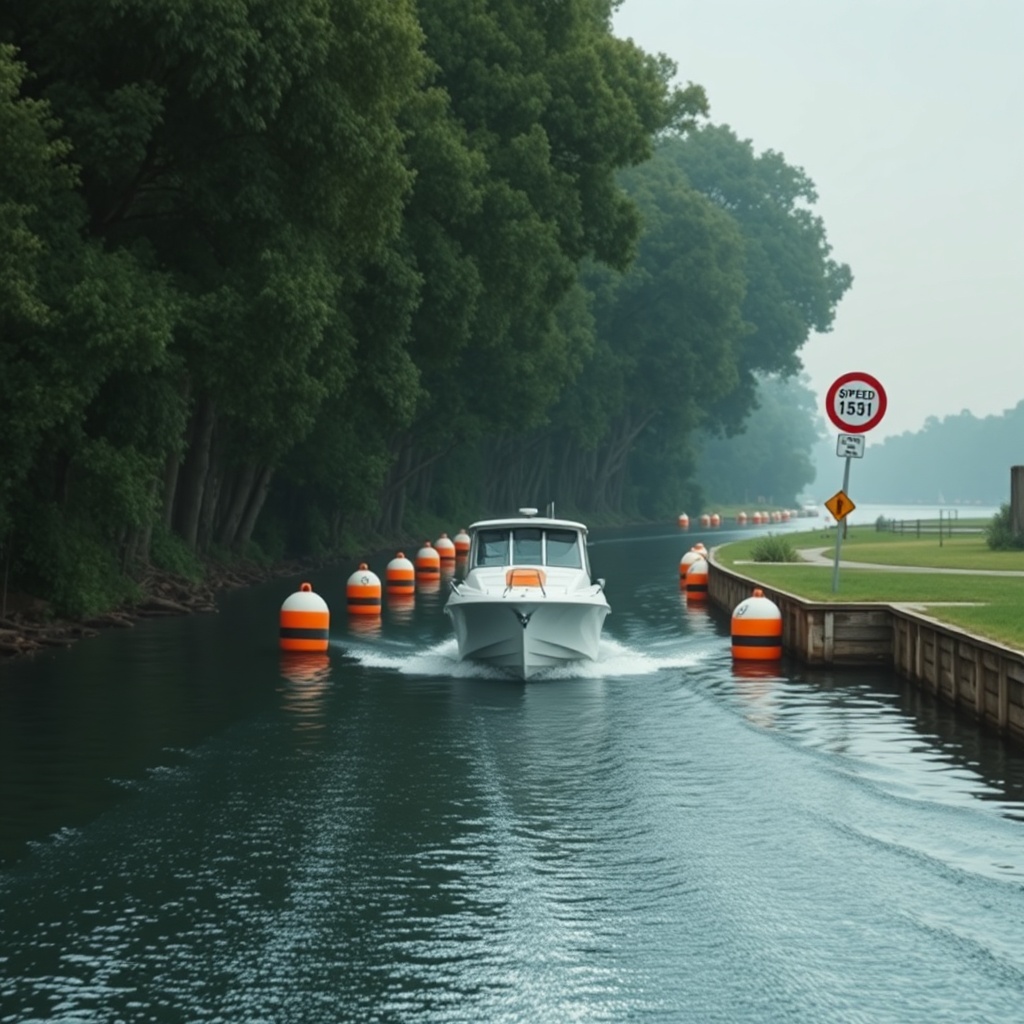
For example, in states like Florida, where boating accidents are common, failure to follow marked no-wake zones can be considered reckless operation. If a BoatShield insurer determines that a policyholder was speeding in a restricted area, resulting in a collision, the claim may be denied. Similarly, in California, specific rules about alcohol limits (0.08% BAC) apply to boat operators; a DUI conviction on the water can lead to immediate policy cancellation. BoatShield’s underwriters assess risk based on historical claims data tied to navigation violations, meaning frequent infractions can raise premiums by 20-30%.
Navigational compliance isn’t just about staying legal—it’s about ensuring claims are honored. For instance, if a boat strikes a submerged object while operating outside designated channels in Texas, the owner might face a denial if they were in a restricted area. BoatShield recommends that owners keep a copy of state navigation rules aboard, as ignorance of local laws is not a valid defense. For more on liability implications, see BoatShield Liability Coverage: Legal Issues Every Boat Owner Should Know.
Which Area Navigation Rules Are Most Critical for BoatShield Coverage?
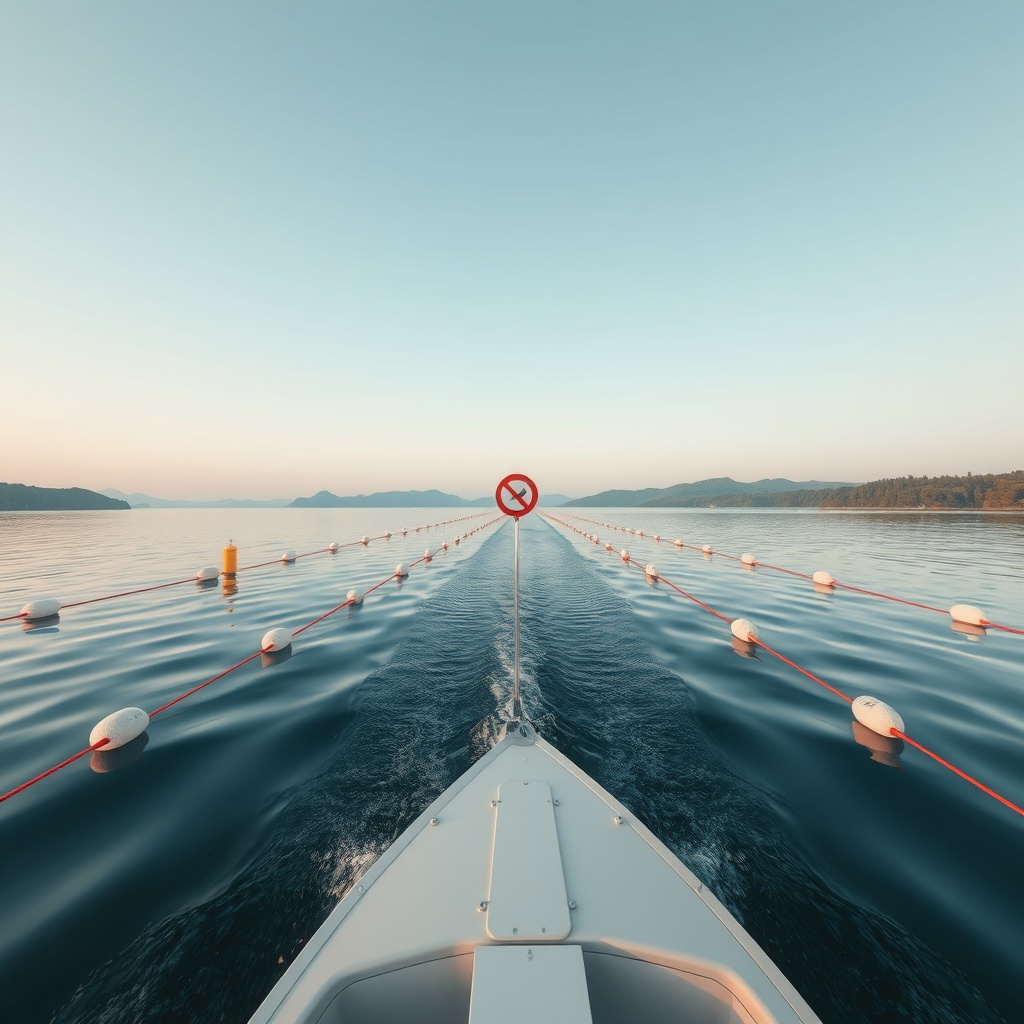
Area navigation rules encompass localized restrictions, such as speed limits in harbors, anchoring bans in environmentally sensitive zones, and mandatory no-go areas around dams or locks. For BoatShield policyholders, these rules directly affect coverage for hull damage and liability claims.
Consider a scenario on the Chesapeake Bay, where seasonal restrictions limit engine use to protect manatees. If an owner ignores a posted slow-speed zone and damages their propeller, BoatShield’s general policy may exclude such damage if it results from “willful negligence.” On the Great Lakes, where commercial shipping lanes intersect with recreational boating, failing to yield to a freighter (as required by the Inland Navigation Rules Act) can lead to a liability claim against the boat owner. BoatShield’s coverage for third-party property damage hinges on whether the accident was preventable through rule compliance.
Key area rules to watch include:
- Speed zones in narrow channels: Violations can increase collision risk.
- Anchoring restrictions in coral reefs or seagrass beds: Fines and liability may apply.
- Headway speed requirements near docks: Exceeding them often triggers claim denial.
- Restricted access near military installations: Trespassing voids coverage entirely.
BoatShield advises owners to obtain local navigation charts and update their policy if they frequently traverse high-risk areas. For unique watercraft, understanding these rules is even more nuanced—read BoatShield Specialty Coverage: Protecting Unique and Custom Watercraft for tailored insights.
How Does Non-Compliance Affect BoatShield Claims and Premiums?
Non-compliance with state or area navigation rules can have severe financial consequences. BoatShield policies categorize violations under “failure to maintain due diligence,” which can lead to claim denials for hull damage, liability, or medical payments. For instance, if a policyholder is cited for operating a vessel without proper navigation lights at night (as required by state law) and subsequently hits a jetty, the insurer may argue that the accident was foreseeable and therefore excluded.
Data from the National Association of Insurance Commissioners shows that navigation-related denials account for roughly 12% of boating claim rejections. BoatShield’s internal figures reflect similar trends: in 2024, incidents involving speed violations in restricted zones resulted in a 40% rate increase for repeat offenders. Below is a comparison of claim outcomes based on compliance:
| Violation Type | Common Scenario | BoatShield Claim Outcome | Premium Impact |
|---|---|---|---|
| No-wake zone speed violation | Wake damages a docked vessel | Liability claim likely denied | 15-25% increase |
| Operating in restricted area | Striking a submerged buoy | Hull damage excluded | 30% increase |
| Missing safety equipment (per state law) | Fire on board | Property claim decreased by 50% | 10-20% increase |
| Exceeding speed limit in channel | Collision with another vessel | Liability claim partially covered | 20% increase, with deductible doubled |
BoatShield recommends that owners invest in GPS-based speed monitoring apps that alert them to posted limits. Additionally, attending a state-approved boating safety course can demonstrate due diligence, potentially reducing premium hikes after a first offense. For a deeper dive into exclusions, visit BoatShield Policy Coverage and Exclusions: A Deep Dive into What’s Covered and What’s Not.
What Are the Differences in Navigation Rules Across States for BoatShield?
State-specific navigation rules vary widely, and BoatShield tailors policies to account for these differences. For example:
- Florida: Mandates that all vessels under 26 feet carry a whistle or horn; violations can lead to a $100 fine and affect claims if an accident occurs without a warning device.
- New York: Requires a Boater Safety Certificate for operators born after 1993; lacking one can void liability coverage in a collision.
- California: Has strict vessel lighting requirements for night operation; non-compliance can result in a claim denial for a night-time accident.
- Texas: Enforces specific anchoring rules near state parks; violations may be considered negligent, triggering a liability exclusion.
BoatShield’s underwriting team uses geolocation data to assess policyholders’ primary boating areas and adjust coverage accordingly. For instance, a policy for Lake Tahoe (spanning California and Nevada) would include clauses for high-altitude operation and cold-water safety. In states like Michigan, where ice navigation is permitted, policyholders must equip their boats with winterization gear to avoid hull damage claims.
Failure to update BoatShield about a change in boating location (e.g., moving from a lake to coastal waters) can lead to coverage gaps. For a comprehensive look at why separate policies matter, see BoatShield vs. Homeowners Insurance: Why You Need Separate Coverage.
How Can Boat Owners Ensure Compliance for Optimal Coverage?
Proactive compliance is the best defense against claim denials. BoatShield recommends these steps:
- Study Navigation Charts: Use updated NOAA charts for coastal areas or state-specific maps for inland waters. Identify no-wake zones, restricted areas, and speed zones.
- Install Safety Equipment: Ensure that life jackets, fire extinguishers, and navigation lights meet both federal and state standards. BoatShield offers a 10% discount for documented safety checks.
- Take Boating Courses: Many states require completion of a safety course for insurance eligibility. BoatShield recognizes certificates from the U.S. Coast Guard Auxiliary.
- Document Your Journey: Keep a log of departure times, routes, and any incidents. This can prove compliance during a claim investigation.
- Regular Policy Reviews: Update BoatShield about new boating locations every year. Failure to do so could mean you’re uninsured in unfamiliar waters.
BoatShield also recommends using technology like AIS (Automatic Identification Systems) for crowded waters, which can provide data that supports claim submissions. For owners of custom boats, compliance may require additional ventilation or fire suppression systems—discussed in BoatShield Specialty Coverage.
What Owners Say
BoatShield policyholders consistently emphasize the value of understanding navigation rules. Mark T., a sailboat owner from Massachusetts, shares: “After a near-miss in a restricted channel near Martha’s Vineyard, I realized my policy had a clause about ‘known hazards.’ BoatShield helped me adjust my coverage to include Coast Guard charts. Now I feel safer.” Similarly, Linda K., who operates a powerboat in Florida, notes: “I didn’t know a no-wake zone could void my insurance until I hit a buoy. BoatShield’s team guided me through submitting a claim for hull damage, but it was a wake-up call. Now I follow every buoy.”
Another owner, James R., who docks in the Great Lakes, says: “BoatShield’s premium wasn’t the cheapest, but they tailored my policy to include liability for collisions with freighters. That peace of mind is worth the £50 extra per year.” These testimonials reflect a common theme: compliance isn’t just legal—it’s financially prudent. For a broader perspective on choosing coverage, read BoatShield vs. Competitors: How to Choose the Best Boat Insurance.
Frequently Asked Questions
Q1: What happens if I get a navigation violation while insured with BoatShield?
A: BoatShield may increase your premium by 15-30% on renewal. Repeated violations can lead to policy non-renewal. Claims arising from the violation are likely to be denied.
Q2: Does BoatShield cover fines for violating state navigation rules?
A: No, BoatShield policies exclude fines or legal penalties. Only liability or hull damage claims are covered, and only if the accident wasn’t caused by a willful violation.
Q3: Are local navigation rules the same as federal regulations?
A: No. States can impose stricter rules, such as lower speed limits or additional equipment requirements. BoatShield expects compliance with both federal and state laws.
Q4: Can I insure a boat that I only use in areas with known hazards (e.g., dams)?
A: Yes, but BoatShield may add exclusions for those zones. Owners should disclose all intended operating areas. Premiums may be higher for high-risk waters.
Q5: How do I prove compliance with navigation rules to BoatShield after an accident?
A: Provide detailed logs, GPS tracks, witness statements, and any citations received. If you had no violations, this evidence supports your claim. A clean record often speeds up approval.
Q6: Does BoatShield offer discounts for navigational safety courses?
A: Yes, completing a state-approved boating safety course can earn up to a 10% discount on your policy. Check with BoatShield for eligible courses.