
BoatShield Claims Process Tips: How to Ensure a Swift Resolution
Filing a boat insurance claim can be a daunting experience, especially when you are already dealing with the stress of damage or loss. BoatShield understands the urgency and complexity of maritime claims, and has structured its process to be as transparent and efficient as possible. This article provides actionable tips to expedite your claim, from initial documentation to final settlement, ensuring you can get back on the water with minimal delay.
1. What Should I Do Immediately After an Incident to Protect My Claim?
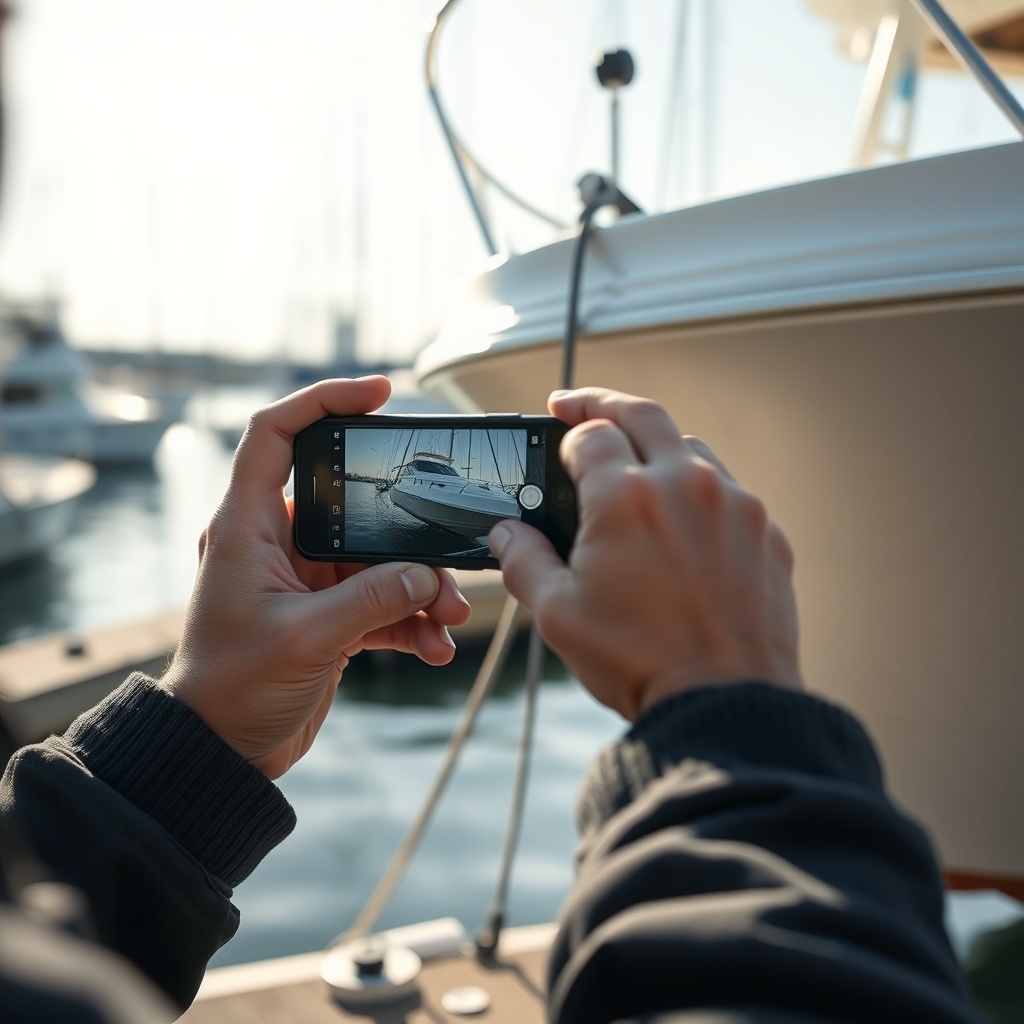
Your actions in the first few hours after an accident can significantly influence the speed and outcome of your claim. The golden rule is to ensure safety first—check for injuries and notify the appropriate authorities, such as the Coast Guard or local marine patrol, if required. Once everyone is safe, prioritize documentation. Use your smartphone to take comprehensive photos and videos of the damage to your vessel, any property damage, and the surrounding environment. Capture images from multiple angles, including close-ups of specific damage and wide shots showing the overall scene. If there are witnesses, collect their names and contact numbers. This initial evidence is invaluable for BoatShield adjusters, as it provides a clear, unbiased record of the incident.
Equally important is securing the boat from further damage. If it is safe to do so, perform temporary repairs to prevent water ingress or additional deterioration. For example, patch a small hole with a temporary sealant or tarp, or move the vessel to a secure dock or marina. Keep all receipts for any emergency repairs or towing services, as BoatShield may reimburse these costs under your policy’s emergency assistance coverage. Avoid moving the boat if it could worsen the damage or if authorities are conducting an investigation. Contact BoatShield’s 24/7 claims hotline as soon as possible to report the incident and receive instructions on next steps. Delays in notification can sometimes lead to complications, so prompt reporting is critical.
Remember, do not admit fault or sign anything from a third party without consulting BoatShield first. Your policy covers legal representation in case of disputes, so let the experts handle liability conversations. By following these steps, you lay a solid foundation for a smooth claim process.
2. How Do I Properly Document My Claim for BoatShield?
Thorough documentation is the backbone of any successful claim. BoatShield’s adjusters rely on detailed records to assess damage accurately and process your claim without unnecessary back-and-forth. Start by creating a written log of the incident: include the date, time, location, weather conditions, and a step-by-step account of what happened. If you have a navigation log or GPS data, include that as well. This narrative helps establish context and can prevent misunderstandings about events.
Next, compile all relevant documents. This should include your policy declaration page, a copy of your BoatShield insurance certificate, and any previous inspection reports or surveys. If you have recently upgraded electronics, installed new safety equipment, or added accessories, provide receipts and installation records. BoatShield places high value on proof of ownership and value, especially for specialty coverage for unique watercraft. For example, if your boat has custom modifications or rare equipment, having appraisals or bills of sale can speed up the valuation process.
Use a systematic approach to organize digital files: label each photo with a brief description, and create folders for damage categories (e.g., hull damage, engine damage, electrical issues). Ideally, upload everything through BoatShield’s online portal or mobile app, which allows you to attach files directly to your claim number. This reduces manual processing time. If you prefer to email, include your claim number in the subject line and send attachments in common formats (JPEG, PDF, MP4 for videos). Remember, clear and organized documentation reduces the need for follow-up requests, keeping your claim on the fast track.
3. What Is the Typical BoatShield Claims Timeline and What Influences It?
The timeline for resolving a BoatShield claim varies depending on the complexity of the incident, but many claims are resolved within 14–30 business days for straightforward cases. For minor repairs (e.g., small hull scratches or electrical faults), the process can be as short as 5–7 business days from initial report to settlement. More complex claims, such as total loss, sinking, or collisions involving multiple parties, may take 45–60 days due to the need for surveys, salvage investigations, and potential legal considerations.
Several factors can speed up or delay your claim. First, your responsiveness matters: the quicker you provide requested documents and respond to adjuster questions, the faster the process moves. Second, the availability of repair shops and surveyors in your region can affect timelines—remote areas may have fewer options, leading to scheduling delays. Third, the severity of damage impacts the need for specialized assessments. For instance, engine damage may require a marine mechanic to inspect and estimate repairs, while a hull breach might need a surveyor to evaluate structural integrity.
Below is a general breakdown of claim severity and typical resolution times based on BoatShield’s historical data:
| Claim Severity Type | Common Examples | Estimated Resolution Time (Business Days) | Average Payout Range (GBP) |
|---|---|---|---|
| Minor Damage | Small dents, torn bimini top, minor electrical fault | 5–10 days | £200–£1,500 |
| Moderate Damage | Hull cracks (non-structural), lower unit failure, outdrive damage | 10–20 days | £1,500–£5,000 |
| Major Damage | Sinking, fire damage, collision damage to multiple systems | 20–45 days | £5,000–£25,000 |
| Total Loss / Theft | Vessel stolen, irreparable structural damage, fire that destroys boat | 30–60 days | £25,000–£100,000+ |
Keep in mind that BoatShield prioritizes communication—your claims adjuster will provide status updates every 5–7 business days. If you have not heard back within that window, reach out to the assigned adjuster directly or use the live chat feature on the website. Proactive communication helps avoid unnecessary stress and ensures your claim remains a priority.
4. How Can I Avoid Common Mistakes That Delay Boat Insurance Claims?
Even experienced boat owners can inadvertently slow down their claims process. One frequent error is failing to report the incident within the policy’s specified timeframe, typically 24–48 hours for the initial notification. BoatShield’s policy requires prompt reporting to preserve evidence and allow timely investigation. Waiting too long can raise questions about the circumstances of the damage or lead to missed opportunities for salvage.
Another common mistake is making permanent repairs before the adjuster has inspected the damage. While temporary repairs are encouraged to prevent further loss, major repairs like replacing a damaged engine block or painting over a collision patch can obscure evidence. Always get written approval from your adjuster before authorizing any work that exceeds £500 or involves structural components. Similarly, discarding damaged parts before inspection can harm your claim—keep all removed components in a safe place until the adjuster gives the green light.
Documentation errors also cause delays. Submitting blurry photos, incomplete receipts, or missing proof of ownership forces adjusters to request additional information. Double-check that every receipt includes the date, vendor name, description of service, and amount paid. For electronic submissions, ensure files are not corrupted and are named clearly (e.g., “hull_scratch_damage_front_view.jpg”).
Finally, avoid misrepresenting facts or exaggerating damage. BoatShield’s investigation team is trained to detect inconsistencies and may reject claims if fraud is suspected. Honesty and transparency foster trust and lead to faster, fairer settlements. If you are unsure about coverage details, refer to your policy or contact BoatShield’s support team for clarification. Understanding policy coverage and exclusions can prevent surprises during the claims process.
5. What Role Do Surveys and Adjusters Play in BoatShield Claims?
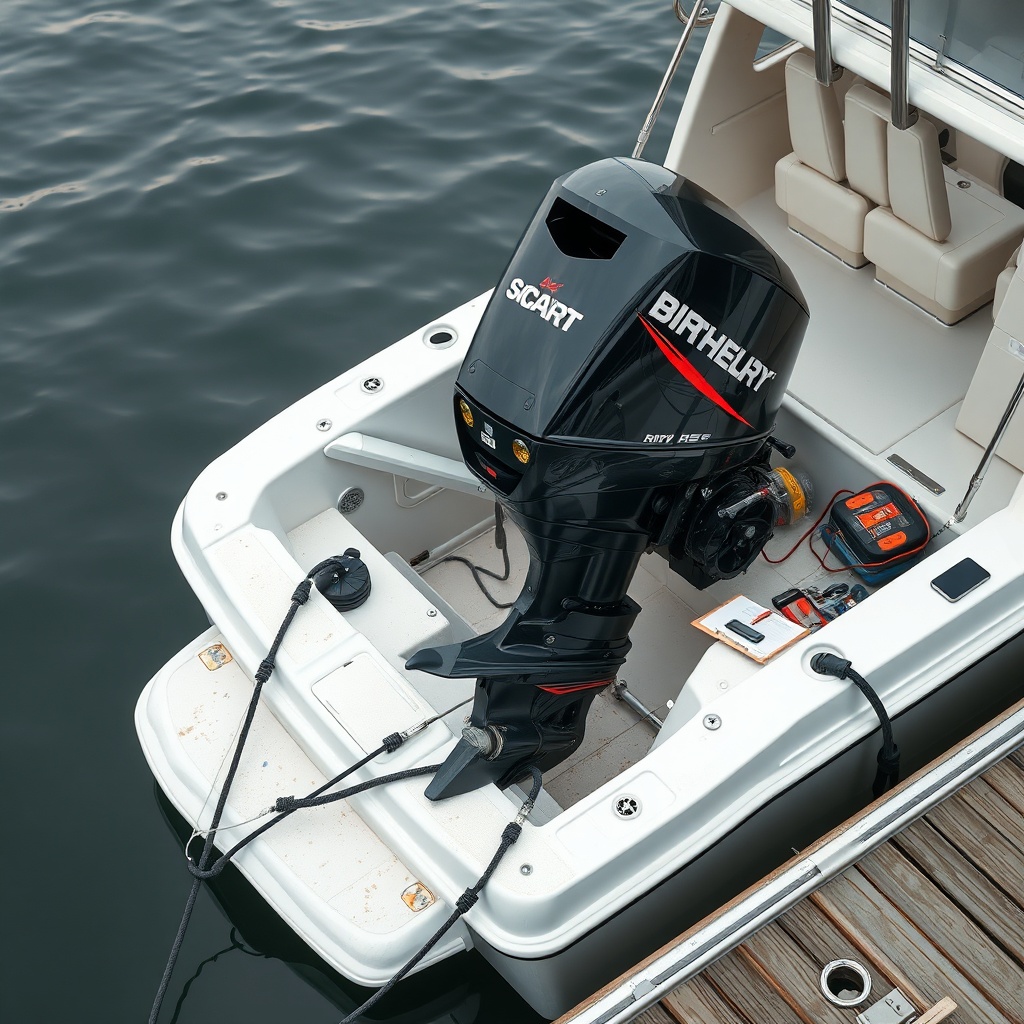
BoatShield typically assigns a licensed marine surveyor to inspect the vessel when damage exceeds minor cosmetic repairs. The surveyor’s role is to assess the extent of damage, determine whether it is repairable, and estimate the cost of repairs. For larger claims, the surveyor may also evaluate the boat’s pre-loss condition, including its maintenance history and any pre-existing issues. Their report serves as the foundation for BoatShield’s settlement offer. It is critical to cooperate fully with the surveyor: provide access to all areas of the boat, answer questions honestly, and share any relevant maintenance logs or prior repair records.
The claims adjuster, on the other hand, is your primary point of contact within BoatShield. They review the survey report, your policy terms, and any submitted documentation to determine coverage and the amount payable. Adjusters also coordinate with repair shops, salvage operators, and legal teams if needed. Building a good relationship with your adjuster can streamline the process—respond promptly to their calls and emails, and clearly communicate your expectations. If you disagree with the surveyor’s findings, you have the right to request a second opinion at your own expense, though this may extend the timeline.
It is worth noting that BoatShield often has preferred repair networks that guarantee workmanship and sometimes offer discounted rates. Using these facilities can accelerate repairs and simplify billing, as the repair shop communicates directly with the adjuster. However, you are not obligated to use them—you can choose your own certified repairer, but ensure they provide itemized quotes. Navigating these logistics is easier when you understand the coverage options available, such as those detailed in BoatShield state navigation area rules, which may affect where repairs can occur.
6. How Can I Expedite My Settlement Payment After Approval?
Once your claim is approved, BoatShield typically issues payment within 5–10 business days. However, you can take steps to ensure the settlement reaches you without delays. First, confirm that all required documentation is complete—this includes a signed claims form, a copy of your policy, and a completed direct deposit authorization form (if opting for electronic funds transfer). If your claim involves a total loss, BoatShield may require the title and registration documents to be transferred, so have them ready.
Second, choose the fastest payment method. BoatShield offers electronic transfer, which usually arrives within 2–3 business days, versus paper checks which may take 7–14 days including postal delays. Ensure your bank account details are correct on the claim form to avoid rejected transfers. If repairs are being handled by a preferred repair shop, BoatShield may pay the shop directly, which can be faster than paying you first. Request this option when you file if you prefer it.
Third, proactively address any outstanding issues. If the adjuster requests a signed receipt for a temporary repair or a completed police report for theft, provide it immediately. BoatShield’s system flags incomplete claims that sit idle, but contacting the adjuster prior to payment approval ensures nothing falls through the cracks. Remember that the final settlement may be subject to your deductible—typically £250–£1,000 for pleasure craft. Verify your deductible amount and prepare to pay it separately to the repair shop if your policy does not include deductible waiver coverage. For comprehensive guidance on choosing the right options, refer to BoatShield vs. homeowners insurance to see why separate marine policies offer more robust claims handling.
What Owners Say About BoatShield Claims
Real feedback from policyholders underscores the importance of preparation and communication. Sarah T., a sailor from Southampton, shared: “After my mast snapped in high winds, BoatShield’s claims team was incredible. They called me within two hours, arranged a surveyor the next day, and I had a cheque in two weeks. Keeping all my receipts and photos ready made all the difference.” Similarly, James L., a motorboat owner from Cornwall, noted: “I made the mistake of trying to fix a small hole myself before reporting. The claim was initially delayed, but once I explained, the adjuster helped me through the process. Now I know to call first.”
Several owners emphasize the value of the online portal. “I uploaded everything from my phone while waiting for the tow,” said Emma R. “The adjuster had all the info before I even got back to the marina. It was surprisingly painless.” However, some caution about survey availability in remote areas. “In the Scottish islands, it took three extra days to get a surveyor out,” noted Callum D. “But BoatShield kept me updated regularly, so I wasn’t frustrated.” Overall, policyholders appreciate BoatShield’s transparency and the clear communication of timelines—a sentiment echoed across many reviews.
Frequently Asked Questions
Q1: How long do I have to report a claim to BoatShield?
Most BoatShield policies require you to notify them within 24–48 hours of the incident. Check your policy document for exact requirements, as delays can affect coverage. Using the 24/7 hotline is the fastest way to start your claim.
Q2: Will BoatShield cover my temporary repairs?
Yes, reasonable temporary repairs to prevent further damage are typically covered up to a certain limit (e.g., £500–£1,000). Keep all receipts and photographs of the work. Permanent repairs must be pre-approved by your adjuster unless they are emergency measures.
Q3: What happens if the surveyor’s estimate is lower than the repair shop’s quote?
BoatShield will typically negotiate with the repair shop or consider a second estimate. If the difference is significant, you can request an independent appraisal at your own expense. Most disputes are resolved amicably within 5–10 business days.
Q4: Can I choose my own repair shop for BoatShield claims?
Yes, you have the right to select any licensed repair facility. However, using BoatShield’s preferred network may speed up approval and direct payment. Confirm with your adjuster before proceeding with any work.
Q5: How are settlements paid if my boat is a total loss?
BoatShield pays the actual cash value (ACV) of the vessel at the time of loss, minus your deductible. For policies with agreed value coverage, the payout is the amount stated in your policy. Payment is made via direct deposit or cheque upon receipt of title and signed forms.
Q6: What should I do if my claim is denied?
First, review the denial letter for specific reasons—common causes include lack of coverage, non-compliance with policy terms, or exclusion clauses. You can request a copy of your entire claims file and contact BoatShield’s appeals department. If unresolved, consider mediation or contacting the Financial Ombudsman Service. Understanding how to choose the best insurance company can also help you avoid denial-prone policies in the future.