Introduction to BoatShield Policy Coverage and Exclusions for Liveaboard Vessels
For liveaboard vessel owners, securing comprehensive insurance is not merely a legal requirement but a fundamental aspect of safeguarding one’s mobile home and lifestyle. BoatShield, the dedicated boat insurance brand, offers specialised policies tailored to the unique risks of living aboard, from continuous occupancy to onboard domestic systems. This guide dissects the precise coverage boundaries and critical exclusions of BoatShield’s liveaboard policy, ensuring you understand exactly what is protected and what lies outside the scope of indemnity.
Understanding the nuances of policy language—especially for liveaboard vessels—can mean the difference between a smooth claim and a financial setback. Whether you are a full-time cruiser or a seasonal liveaboard, this article details the key clauses, cover limits, and common pitfalls to watch for when reviewing your BoatShield policy.
What Does BoatShield’s Comprehensive Coverage Include for Liveaboards?
BoatShield’s liveaboard policy is built around a comprehensive “all risks” foundation, subject to standard exclusions. The core coverage encompasses physical damage to the vessel itself, third-party liability, and specific add-ons for liveaboard needs. Key inclusions are:
- Hull and Machinery: Covers accidental damage, fire, lightning, explosion, theft, vandalism, and collision. Settlement is typically on an agreed value basis, meaning you and BoatShield set the vessel’s value at inception, avoiding depreciation disputes at claim time.
- Personal Effects and Belongings: A dedicated limit (typically £5,000 to £15,000, depending on selected level) for clothing, electronics, and personal gear kept onboard. This does not cover cash, jewellery beyond modest limits, or business equipment.
- Liability Protection: Standard cover is £3,000,000 to £5,000,000 for third-party bodily injury or property damage caused by your vessel. For liveaboards, this extends to liability arising from the vessel as a dwelling, such as injuries to guests aboard.
- Emergency Accommodation and Liveaboard Displacement: If your vessel becomes uninhabitable due to an insured event, BoatShield provides up to £2,500 for temporary accommodation ashore or alternative mooring costs.
- Fuel and Lubes Removal: Covers the cost of environmentally safe removal of fuel, oil, and lubricants if they leak after a covered peril (e.g., collision or grounding), up to a sub-limit of £1,000.
- Onboard Systems and Domestic Equipment: Coverage for fitted domestic appliances (e.g., fridges, stoves, heating systems) and plumbing/electrical systems, but only if they are part of the vessel’s original specification or permanently fitted after purchase.
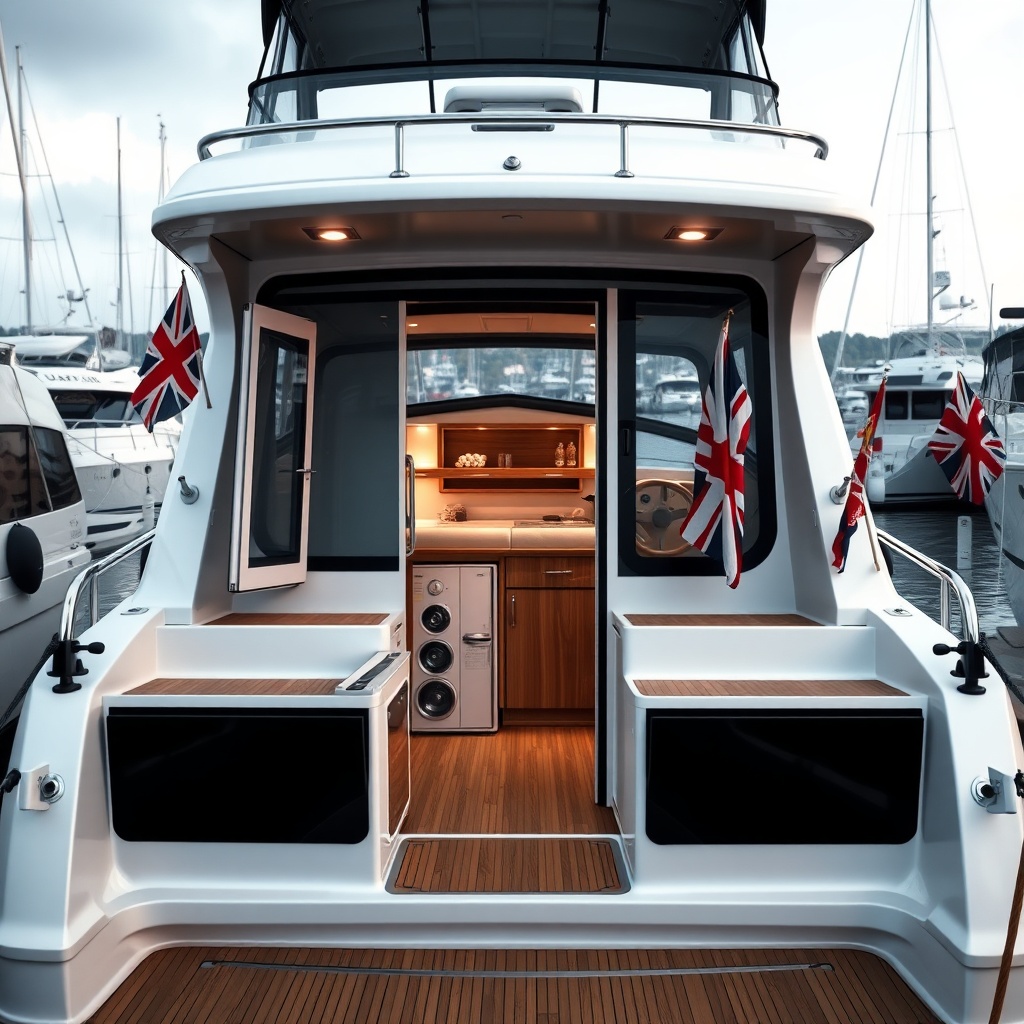
What Are the Key Exclusions Every Liveaboard Must Know?
Exclusions define the boundaries of BoatShield’s liability. For liveaboards, several common exclusions can be particularly impactful. The policy explicitly does not cover:
- Wear, Tear, and Gradual Deterioration: Rust, corrosion, osmosis, marine growth, and general ageing of hull, engine, and systems are excluded. Liveaboards are prone to accelerated wear due to constant use, so regular maintenance is critical.
- Engine and Mechanical Breakdown: Unless caused by a sudden external event (like a collision or fire), internal breakdowns due to wear or lack of maintenance are not covered. A seperate marine survey can help document engine condition before policy inception.
- Mould, Mildew, and Condensation Damage: Resulting from high humidity or inadequate ventilation, common in liveaboard environments, is excluded. This includes damage to upholstery, fabrics, and woodwork.
- Loss of Use or Consequential Loss: Loss of income (e.g., from chartering out the vessel), loss of storage costs, or inconvenience due to repairs are not covered unless specifically added.
- Liability from Gross Negligence or Wilful Acts: If damage occurs because you knowingly operated the vessel in unsafe conditions (e.g., ignoring storm warnings) or with faulty equipment, coverage may be voided.
- Unauthorised Lived Aboard Status: If you fail to declare liveaboard status or change mooring without notifying BoatShield, the policy may be voided entirely. This is a contractual condition, not just an exclusion.
How Does BoatShield Define ‘Liveaboard’ and What Conditions Apply?
BoatShield’s policy has a specific definition of “liveaboard” that triggers certain coverage enhancements and requirements. To be classified as a liveaboard vessel, the boat must be occupied as a primary or secondary residence for at least 180 days per year. Key conditions include:
- You must notify BoatShield of the mooring location and any changes. The vessel must be moored at a designated liveaboard-friendly marina or anchorage approved by the underwriter.
- The policy requires a valid marine survey (typically every 5 years for vessels under 30 feet, more frequently for older boats) to confirm seaworthiness and safety systems.
- Continuous occupancy must be maintained—leaving the vessel unattended for more than 30 consecutive days requires prior notification, as this increases theft and fire risks.
- Liveaboard status automatically includes additional liability cover for domestic incidents (e.g., a guest slipping on deck) and we recommend reviewing claims adjuster tips to understand how living aboard affects claims handling.
What Are the Limits and Deductibles for Common Liveaboard Claims?
Understanding your financial exposure is crucial. BoatShield’s liveaboard policy uses standard deductibles (excess) that you pay per claim. The table below outlines typical limits and deductible structures for high-frequency liveaboard claims.
| Claim Type | Coverage Limit (GBP) | Standard Deductible (Excess) | Notes |
|---|---|---|---|
| Hull Damage (collision/grounding) | Agreed Value of vessel (up to £500,000) | £500 or 1% of value, whichever is higher | Deductible is waived if claim arises from theft or fire |
| Personal Belongings (theft/loss) | £10,000 per claim | £250 | Requires itemised inventory for high-value items above £500 |
| Third-Party Liability (injury/damage) | £5,000,000 per occurrence | £1,000 | Higher deductible for liability arising from domestic guests |
| Emergency Accommodation | £2,500 per event | £0 (no deductible) | Payable after a covered loss renders vessel uninhabitable |
| Fuel/Lubes Removal | £1,000 | £250 | Only covered if caused by an insured peril, not gradual leakage |
To maximise your payout in the event of a claim, review our guide on claims tips to maximise payout for strategies to document losses and negotiate with adjusters.
Are There Specific Exclusions Related to Onboard Domestic Systems?
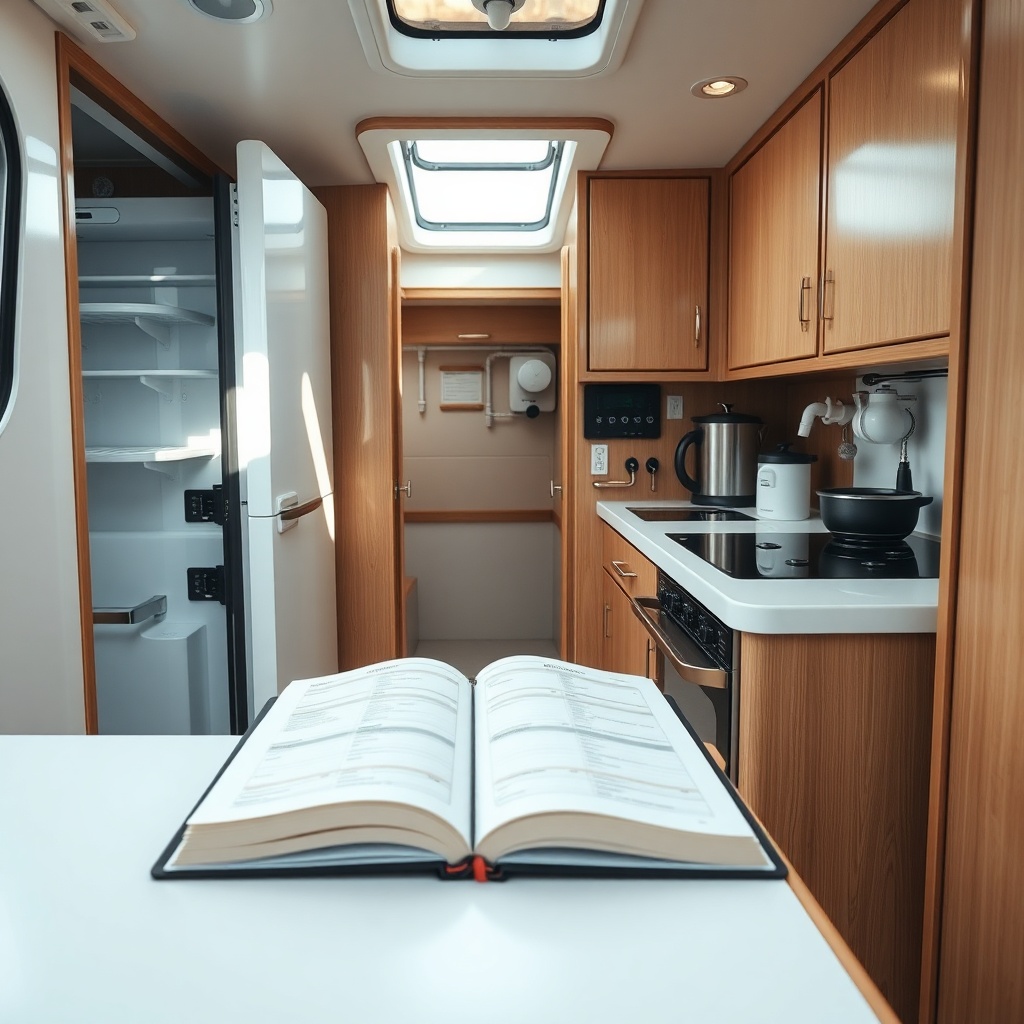
Yes, domestic systems—though covered if part of the vessel’s fit-out—have specific exclusions that liveaboards often overlook. The policy excludes damage to unvented water heaters, washers/dryers, and refrigeration systems if caused by lack of routine maintenance, sediment buildup, or poor installation. Additionally, damage from frozen pipes due to inadequate winterisation is excluded unless the vessel is winterised by a certified marine technician. Wiring for solar panels, inverters, and battery banks is covered only if professionally installed and documented in the survey. BoatShield expects owners to maintain a log of maintenance for these systems, and failure to do so may lead to claims denial.
What Owners Say About BoatShield’s Liveaboard Coverage
Feedback from liveaboard owners highlights both strengths and areas for caution. Many praise the clarity of the policy wording, particularly the agreed value approach, which removes depreciation arguments. One owner on the Kennet and Avon Canal noted, “After a minor electrical fire, BoatShield handled the claim within two weeks, including emergency accommodation costs. The survey required was manageable, though they insisted on a certified electrician for the repair.” Another owner of a 40-foot trawler commented, “The domestic system exclusion on condensation damage caught me out—I had to replace mouldy curtains out of pocket. It’s a fair exclusion, but I wish it was better explained in the policy document.” Common praise includes fast claims processing for hull damage and liability claims, while common gripes focus on the rigid survey requirements and higher deductibles for domestic incidents. Overall, most owners recommend BoatShield for liveaboards who maintain their vessel diligently and keep records.
Frequently Asked Questions
Do I need a separate survey for liveaboard status?
Yes, BoatShield requires a marine survey every 3 to 5 years for liveaboard vessels, depending on age. The survey must confirm the vessel’s structural integrity, safety equipment, and domestic systems. You can learn more about preparing for a marine survey to avoid common pitfalls.
Does BoatShield cover damage from equipment failure like a fridge or pump?
Only if the failure is sudden and accidental, and not due to wear, lack of maintenance, or age. Gradual breakdowns are excluded. Coverage applies if the failure is caused by an insured peril, such as a power surge from a lightning strike.
Can I change my mooring without informing BoatShield?
No. You must notify BoatShield of any change of mooring, especially if moving to a different marina or anchorage outside the originally approved zone. Failure to do so may void coverage for claims at the new location.
What is the maximum coverage for personal belongings?
Standard cover is up to £10,000 per claim, but higher limits up to £25,000 are available for an additional premium. High-value items like laptops and cameras need to be listed individually if worth over £500.
How does BoatShield handle liability for guests on my liveaboard?
Liability covers bodily injury to guests or damage to their property caused by your negligence while they are onboard. However, liability excludes incidents arising from gross negligence or if you are under the influence of alcohol or drugs.
Are there discounts for liveaboard policies?
Yes, BoatShield offers discounts for completing a recognised safety course, installing security systems, and maintaining a claims-free record. See BoatShield premium factors and discounts for liveaboard vessels for more details.