
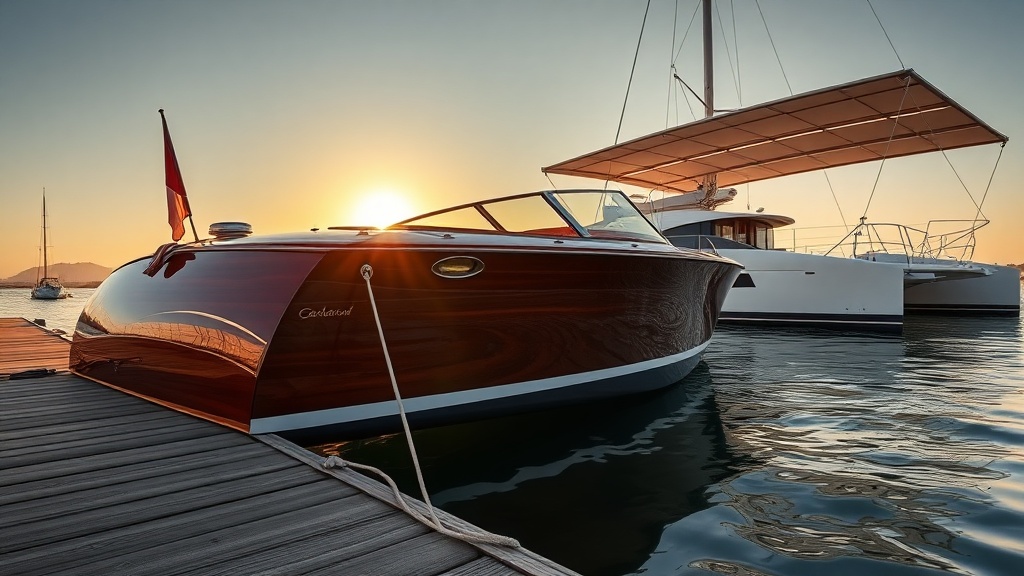
BoatShield Specialty Coverage: Protecting Unique and Custom Watercraft
When a standard boat insurance policy falls short for a one-of-a-kind vessel, BoatShield steps in with tailored specialty coverage. Whether you own a classic wooden runabout, a high-performance racing boat, or a fully custom liveaboard, generic policies often exclude the very features that make your craft special. BoatShield’s specialty options ensure that unique builds, elevated values, and niche usage are fully protected against loss, damage, and liability.
This guide explores the key facets of BoatShield’s specialty coverage, from agreed value protection for customised hulls to endorsements for rare restoration parts and high-risk activities. We’ll examine how BoatShield differentiates itself through flexible underwriting, transparent premium factors, and a claims process that respects the craftsmanship behind every unique vessel.
What Makes a Watercraft “Specialty” for BoatShield?
BoatShield defines specialty watercraft as any vessel that deviates from mass-produced, standard models in construction, value, equipment, or intended use. This includes classic and antique boats (built before 1975), custom-designed yachts, high-performance powerboats, and vessels with non-standard propulsion—like electric outboards or hydrofoils. Even houseboats or liveaboards with unique interior customisation can qualify for specialty status.
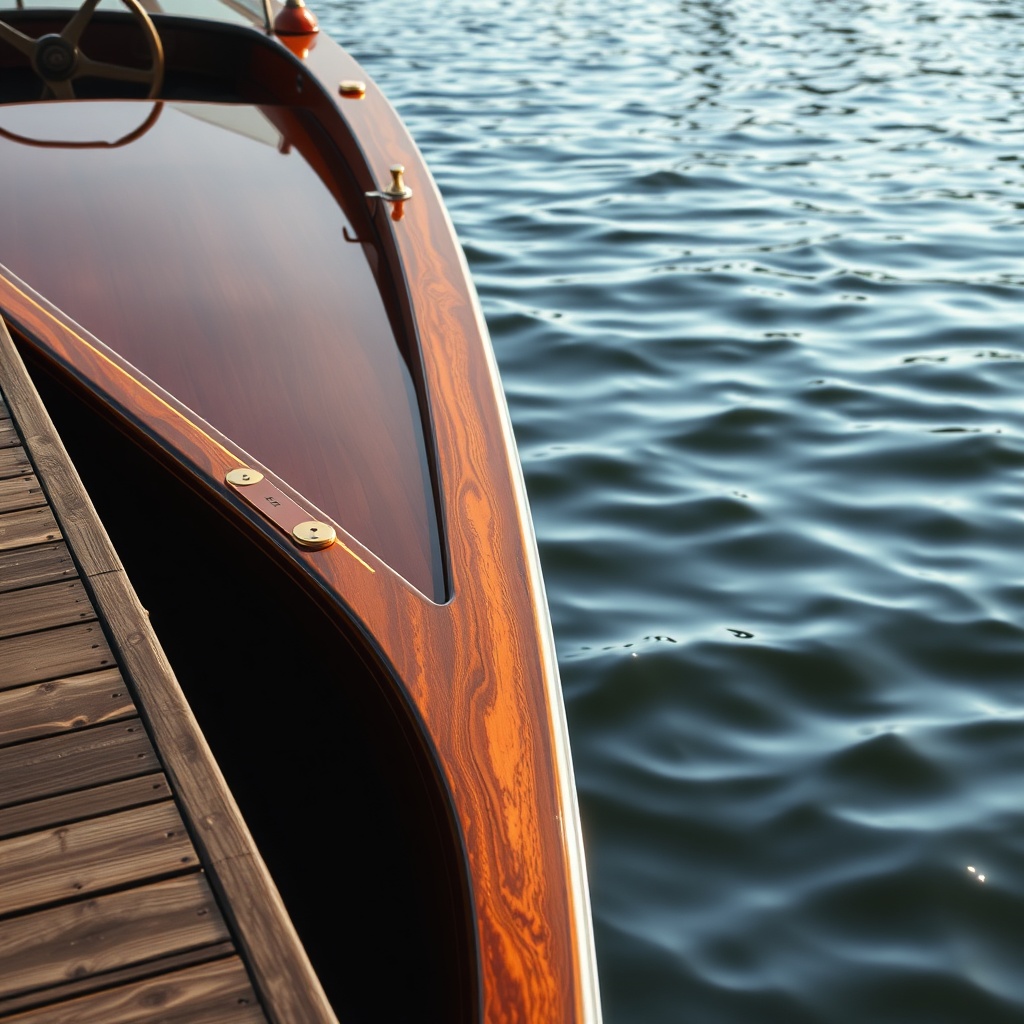
The key criterion is that the vessel’s replacement cost or repair complexity exceeds typical market benchmarks. For example, a 1968 wooden Chris-Craft with original mahogany planking and brass fittings would be classed as specialty due to sourcing rare timber and handcrafted joinery. Similarly, a 60-knot racing catamaran with carbon fibre hulls demands underwriting that accounts for extreme performance risks.
Standard policies often cap coverage for custom paint schemes, aftermarket electronics, or enhanced safety gear. BoatShield’s specialty coverage, by contrast, allows owners to declare and insure these additions as separate line items, avoiding depreciation penalties on custom work.
How Does Agreed Value Protection Apply to Custom Designs?
One of the most critical distinctions in specialty coverage is how BoatShield handles valuation. For unique watercraft, market fluctuations and depreciation can dramatically undermine a standard Actual Cash Value (ACV) policy. BoatShield offers an Agreed Value vs Actual Cash Value Explained approach: you and the underwriter agree on a fixed sum that reflects the vessel’s insured worth—including customisation, rare materials, and labour costs—at the time the policy is written.
In the event of a total loss (theft, fire, or sinking), BoatShield pays the full agreed value, minus any applicable deductible, without depreciating for age or wear. This is especially important for custom builds, where a 10-year-old yacht might have appreciated in value due to added upgrades or collectable status. For partial losses, BoatShield uses replacement cost coverage on named custom components—like hand-sewn canvas biminis, custom teak decks, or upgraded sound systems—as long as they are listed in the policy schedule.
BoatShield also offers an “inflation guard” clause that automatically increases the agreed value annually by a set percentage (typically 3–5%) to keep pace with rising material and labour costs in the marine industry. Owners of classic wooden boats frequently opt for this to protect against skyrocketing mahogany and marine plywood prices.
What Endorsements Are Available for High-Performance and Racing Vessels?
High-performance powerboats and racing sailboats face unique perils—including high-speed collision, hydroplaning damage, and structural stress from sustained WOT (wide open throttle) operation. Standard policies often exclude racing or speed contests entirely. BoatShield offers a dedicated Racing and Performance Endorsement, which covers on-water competitive events, speed trials, and sea trials. This endorsement also extends liability coverage for damage to competitors’ vessels during sanctioned races.
For owners of go-fast boats (e.g., 38–50 foot center consoles with triple outboards exceeding 1,000 hp), BoatShield provides a “High-Speed Operation” addendum that caps the insurers’ exposure at speeds over 70 knots but still pays claims for mechanical failure, grounding, or allision—provided the vessel is operated in safe conditions and with proper safety gear.
Below is a comparative table outlining BoatShield’s standard specialty endorsements for performance and custom watercraft:
| Endorsement | Coverage Scope | Typical Premium Impact | Suitable For |
|---|---|---|---|
| Racing & Performance | Physical damage & liability during sanctioned races, speed trials; includes tow & salvage during events | +25–40% of base hull premium | Offshore powerboats, sail racing yachts, ski boats (tournament use) |
| Custom Equipment & Upgrades | Named items (electronics, towers, custom interiors) covered at replacement cost, not ACV | +5–15% of total value of declared upgrades | Any vessel with aftermarket navigation, audio, or aesthetic modifications |
| Classic & Wooden Boat | Covers original materials, professional restoration labour, sourcing of rare parts; no deduction for age | +10–20% of agreed value | Pre-1975 wooden hulls, antique launches, classic motoryachts |
| Liveaboard & Residential | Extends liability for continuous habitation, includes contents coverage for personal belongings | +15–25% of base premium | Larger houseboats, trawlers used as primary residence |
Owners of hybrid or electric propulsion vessels can also discuss an “Alternative Propulsion” rider that covers battery banks, inverters, and electric motors—items often excluded by traditional insurers.
How Does BoatShield Handle Claims for Specialty Watercraft?
When a custom vessel needs repair, standard marine claims processes can become a nightmare if adjusters lack knowledge about vintage engine sourcing or composite hull repairs. BoatShield’s claims team includes marine surveyors and assessors with specific expertise in classic boats, high-performance hulls, and custom joinery. The process begins with a dedicated specialty claims advocate who coordinates with approved repair yards that have demonstrated competency with your vessel’s type.
For total losses, BoatShield pays the agreed value within 30 days of proof of loss, provided all documentation (survey, photos, receipts for custom work) was submitted at policy inception. Partial loss claims use a “custom repair allowance” that reimburses the owner up to 120% of the estimated repair cost if the original fabricator or specialised yard is used. This avoids generic repairs that may devalue a rare vessel. For step-by-step guidance, refer to the BoatShield Claims Process: Step-by-Step Tips for a Smooth Experience.
Importantly, BoatShield does not penalise a policyholder for using a non-favoured yard—so long as the yard is licensed and insured. They also offer a “rapid dispatch” option for emergency repairs at remote marinas, with a pre-authorised credit limit of up to £15,000 (approximately $19,000 USD) for temporary patching, salvage, or towing.
How Does Premium Pricing Work for Specialty Boat Insurance?
BoatShield’s specialty underwriting evaluates several factors beyond the standard age, size, and horsepower. Key rating elements include build materials (wood, fibreglass, carbon fibre), construction date, maximum speed, storage type (dry stack vs wet slip), and owner’s experience (captain’s license or racing certification can reduce rates). For custom builds, the insured value itself can be a discount lever: policies over £250,000 may qualify for a “fleet tier” that lowers per-unit cost.
BoatShield offers several discounts specifically for specialty owners: advanced safety equipment discount (EPIRB, life raft with hydrostatic release, fire suppression system), annual usage under 30 days (storage-only policies), and bundling with home or auto. Premiums for a classic wooden launch valued at £80,000 might range from £1,200 to £1,800 annually, while a high-performance racing catamaran at £500,000 could be £6,000 to £9,000 per year, depending on operating areas and claims history.
Owners can explore BoatShield’s full list of discount options in BoatShield Premium Factors and Discounts: How to Lower Your Rate, which includes a calculator for comparing different coverage bundles.
What Liability Issues Are Unique to Specialty Boat Owners?
Because specialty vessels often operate in unique environments—racing offshore, attending wooden boat shows, or serving as floating accommodation—liability exposures can be elevated. For example, a classic wooden boat at sea may pose a pollution risk from old fuel tanks or lead paint; BoatShield includes a pollution clean-up rider within its liability policy, covering up to £50,000 for immediate response. High-performance boats also face higher passenger liability exposure; BoatShield recommends liability limits of at least £500,000 for any vessel capable of 50 knots or more.
Another unique liability area is “hired and non-owned” coverage if the vessel is occasionally loaned to captains or used for charter. BoatShield’s specialty liability endorsements explicitly cover delivery trips and charter operations (up to 30 days per year) without requiring a separate policy. For comprehensive guidance, read BoatShield Liability Coverage: Legal Issues Every Boat Owner Should Know, which covers maritime law, salvage rights, and cross-border liability.
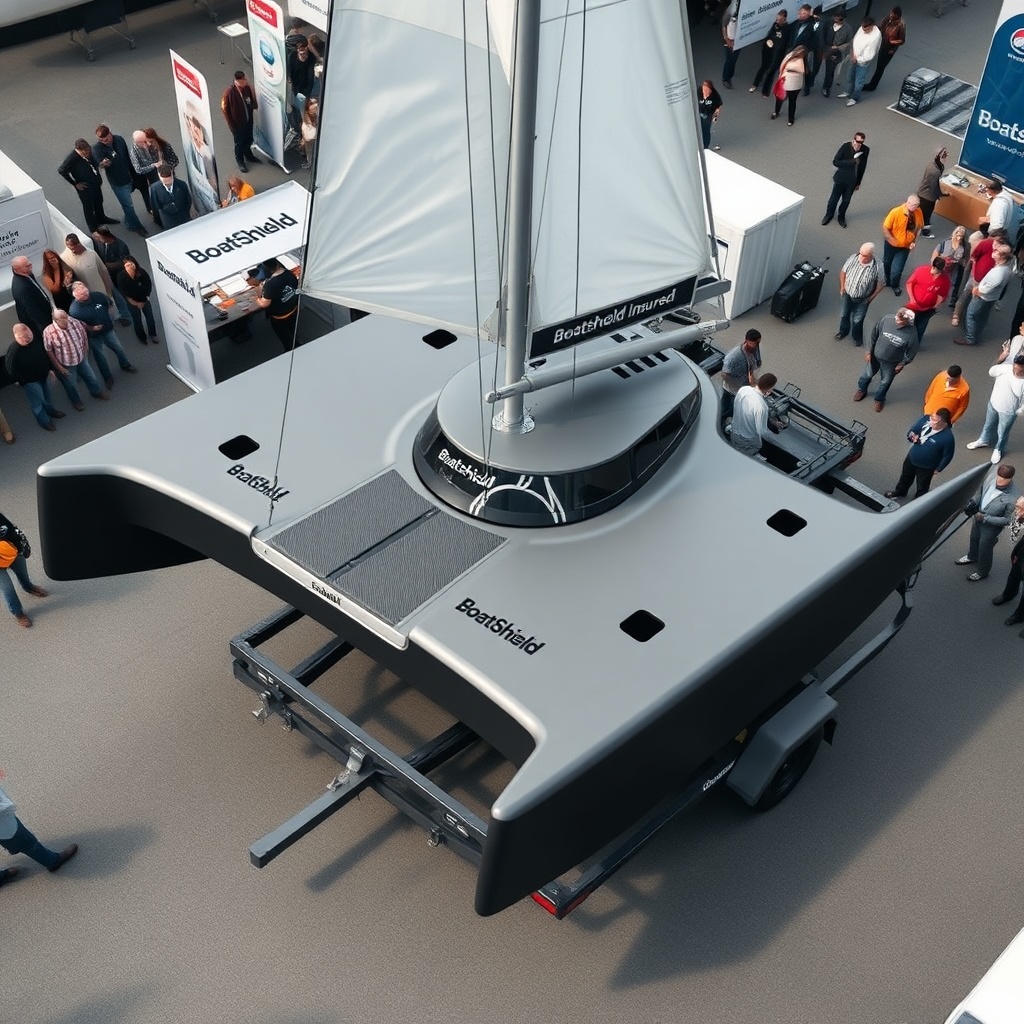
BoatShield also offers a “show and event” rider that extends liability coverage during land-based transport and boat show display, protecting against damage to the vessel while on a trailer or in a showroom.
What Owners Say About BoatShield Specialty Coverage
“I own a 1972 wooden Hatteras motor yacht that I restored myself. Standard insurers wanted to value it at scrap price. BoatShield’s specialty team actually inspected the boat, acknowledged the hand-stitched canvas and mahogany cabinetry, and set an agreed value that let me sleep at night. Their claims team even recommended a wooden-boat specialist in the Pacific Northwest when I had a stuffing box leak.” — Anthony R., Seattle, USA
“Our 45-foot racing catamaran is our passion and our livelihood. We race in the Caribbean Circuit. BoatShield’s Racing Endorsement covers us during events, and after a dismasting last season, they paid for a carbon fibre mast replacement without quibbling. The premium increase was modest, and the peace of mind is huge.” — Lena & Mateo V., San Juan, Puerto Rico
“I have a custom liveaboard houseboat with solar panels, a composting toilet, and wood stove. Every other insurer called it a ‘house on water’ and excluded contents and liability for continuous occupancy. BoatShield specialised in liveaboard policies—now I’m covered for everything, including my instruments and kayak stored on deck.” — Fiona T., Norfolk Broads, UK
Frequently Asked Questions
Q1: Can I insure a boat that is still under construction or being custom-built?
A: Yes. BoatShield offers a “Build in Progress” policy that covers the hull, materials, and components from the moment construction begins, including fire, theft, and damage during transport. The value is indexed to the total estimated completion cost.
Q2: Does BoatShield cover salvage and wreck removal for specialty vessels?
A: Absolutely. All specialty policies include standard salvage coverage (up to 10% of agreed value) and an optional Wreck Removal Endorsement that covers removal costs up to £100,000 for vessels lost in navigable waterways.
Q3: Do I need a marine survey for a specialty policy?
A: Yes, for vessels valued above £50,000 or any wooden hull. BoatShield requires a full condition and valuation survey from an accredited marine surveyor within 12 months of policy inception. Surveys older than 12 months may require an update for high-value builds.
Q4: Are there restrictions on where I can operate my high-performance boat?
A: Yes. High-performance endorsements typically limit operations to coastal waters (within 25 miles of shore) and exclude rivers with known debris hazards. Offshore racing must be pre-approved for each event. Your policy schedule will list specific geographic permits.
Q5: Can I add a second owner or professional captain to my BoatShield policy?
A: Yes. BoatShield allows additional named operators at no extra charge for family members. Professional captains with valid credentials (USCG Master license or equivalent) can be added for a nominal fee of £50 per year.
Q6: How do I prove the value of custom modifications that aren’t factory-installed?
A: Retain all invoices, photos, and a written appraisal from a certified marine surveyor for any custom work valued over £2,500. BoatShield recommends sending these documents to your underwriter at policy inception to ensure they are listed on the declaration page.