Allstate Boat Insurance: Navigating State and Area Regulations
When insuring a boat with Allstate, policyholders quickly discover that coverage isn’t one-size-fits-all. State laws and local navigational areas impose specific requirements that directly influence premium calculations, liability limits, and even whether a claim is valid. Understanding these regional rules is essential for securing proper protection and avoiding costly gaps in coverage.
How Do State Boating Laws Affect Allstate Boat Insurance Policies?
Each state in the U.S. mandates minimum liability insurance for watercraft, typically for bodily injury and property damage. Allstate Boat Insurance aligns its base policies with these state-level requirements, but the limits vary dramatically. For example, in Florida, the minimum is often $10,000 per person and $20,000 per accident, while California may require $15,000 per person and $30,000 per accident. However, Allstate recommends carrying far higher limits—often $100,000 to $300,000—to protect against serious accidents on busy waterways. Failure to meet state minimums can result in fines, license suspension, or denial of claims. Additionally, states like New York require proof of insurance for boat registration, while Texas does not. Check your local Department of Motor Vehicles or Fish and Wildlife office to confirm your state’s specific mandates.
What Area Navigation Rules Impact Allstate Coverage in Inland vs. Coastal Waters?
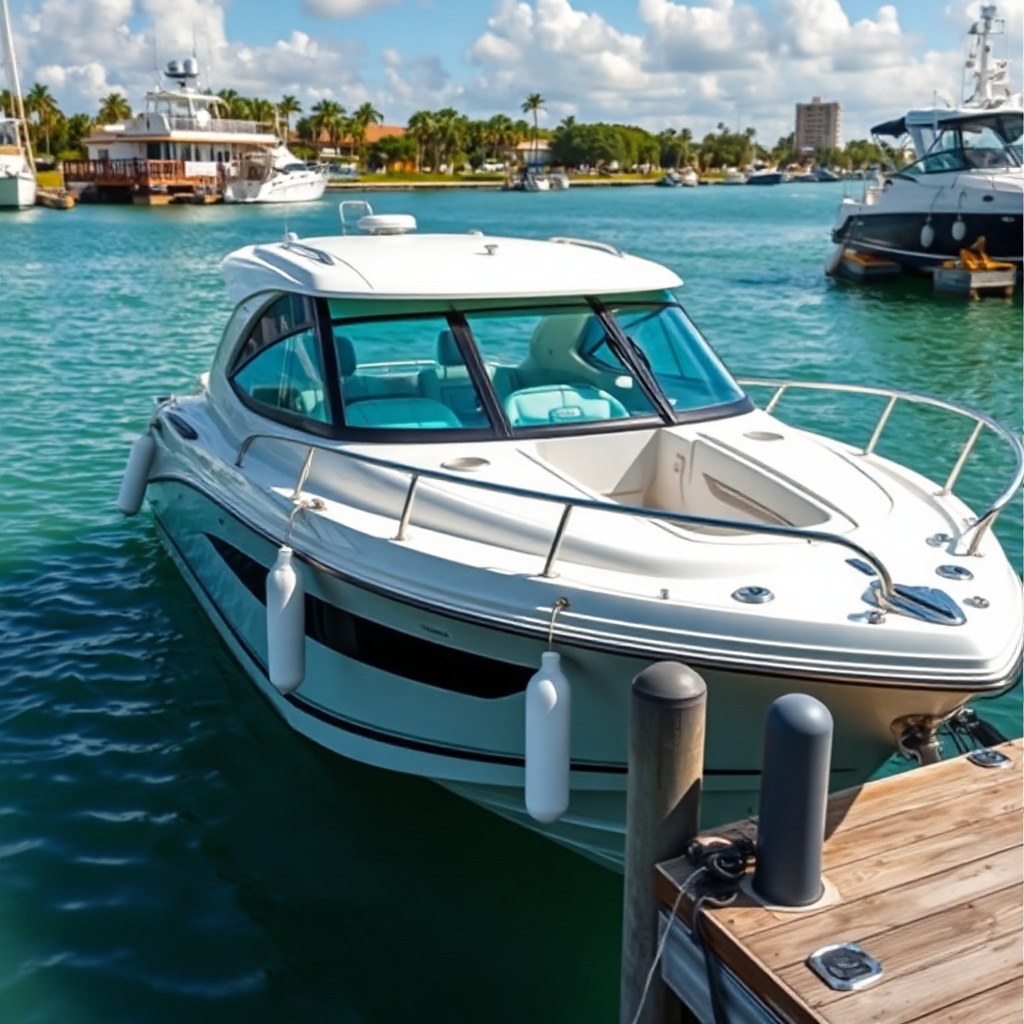
Allstate Boat Insurance policies differentiate between inland, coastal, and offshore navigation areas, and these distinctions affect coverage eligibility. Inland waters—such as lakes, rivers, and intracoastal canals—typically qualify for standard policies with lower premiums. However, coastal areas like the Gulf of Mexico or the Atlantic Ocean often require additional endorsement for navigational limits. For instance, a policy may cover a boat only within 25 nautical miles of the coast, or it may exclude high-risk zones like the Gulf Stream. Allstate rates also consider Save on Allstate Boat Insurance: Key Discounts and Factors, where navigational area directly influences the base rate. Boaters who venture beyond designated areas without notifying their agent may find claims denied. To avoid this, always update your policy when you relocate the boat or plan a long-distance voyage.
Key Navigational Area Classifications (Allstate Standard)
| Navigational Area | Example Waters | Typical Coverage Availability | Premium Impact |
|---|---|---|---|
| Inland (Lakes/Rivers) | Lake Tahoe, Mississippi River | Standard, no endorsement needed | Lowest rates |
| Coastal (Within 25 miles) | Florida Keys (inshore), Puget Sound | Standard with conditional limit | Moderate increase (+10–20%) |
| Offshore (Beyond 25 miles) | Gulf of Mexico, Atlantic Ocean | Requires Offshore Endorsement | Significant increase (+30–50%) |
| Restricted Zones | Inland waterways with locks, dams | Varies by location (e.g., Great Lakes) | May require additional rider |
Are There Special State Regulations for Boat Storage and Winterization That Allstate Requires?
Certain states—particularly northern ones like Michigan, Minnesota, and New York—impose strict guidelines for boat storage during off-season months. Allstate policies often include a lay-up period clause, which reduces coverage for navigation when the boat is stored on land (e.g., November through March). Failure to properly winterize the boat as per state/local codes can void coverage for freeze-related damage. For example, in Vermont, boats must be stored out of water or with antifreeze systems in place to qualify for Allstate’s storage-only coverage discount. Additionally, many marinas require proof of Allstate’s liability insurance before allowing dock storage. Always review local municipal ordinances—some cities require fire-suppression systems on boats stored indoors—and confirm compliance with your Allstate agent. This links directly to what is covered: Allstate Boat Insurance: What’s Covered and What’s Not.
How Do Local Liabilities Laws Influence Allstate Boat Insurance Costs?
Liability coverage is the backbone of any boat insurance policy, but local laws govern how liability is determined and capped. In states with strict liability statutes (e.g., Texas for oil spills, Florida for personal watercraft), Allstate automatically adds higher liability limits, which can increase premiums by 15–25%. Conversely, states with comparative fault laws, like California, may reduce payouts if the boat owner is partially at fault, potentially lowering the annual premium. Also, specific waterways—such as the Ohio River or the Tennessee-Tombigbee Waterway—have separate maritime jurisdiction that can implicate federal laws. Allstate deals with this through a standard General Liability endorsement covering up to $500,000 per accident. For a deeper dive, see Allstate Liability Coverage for Boat Owners. Boat owners in high-traffic areas like the Chesapeake Bay should expect higher rates due to increased accident risk.
What Are the Consequences of Misrepresenting Your Navigational Area on an Allstate Policy?
Misrepresenting where you operate your boat—whether intentionally or accidentally—can have severe consequences. Allstate underwriters may audit policy details during claims investigations, particularly for incidents involving serious damage or injury. If a policyholder claims to use the boat only on Lake Travis but actually takes it into the Gulf of Mexico, the insurer can deny the entire claim and even cancel the policy retroactively. In some states, this constitutes insurance fraud, leading to legal penalties, fines, or criminal charges. To protect yourself, always declare the primary navigational area and maximum distance from shore accurately. Additionally, if you plan seasonal relocation (e.g., from Wisconsin to Florida), notify Allstate to adjust coverage accordingly. Refer to Navigating Allstate Boat Insurance Claims for details on how claims are validated against policy declarations.
What Owners Say
Boat owners who have navigated Allstate’s state and area regulations often report mixed experiences. On public forums and reviews, many praise the company’s regional agent knowledge, noting that local Allstate agents are familiar with specific state laws and can tailor policies accordingly. For example, a Lake Powell owner in Utah valued how his agent explained no-wake zone liability exclusions. Conversely, complaints frequently cite surprise premium increases when moving a boat from a quiet lake to coastal waters. One owner in North Carolina reported a 40% rate hike after she disclosed occasional trips to the Outer Banks. Others note confusion about lay-up periods, with a Michigan owner saying her claim for a cracked block was denied because she didn’t store the boat through a certified marina. Overall, transparency about navigational plans and state requirements emerges as the key to a positive Allstate experience.
Frequently Asked Questions (FAQ)
1. Does Allstate Boat Insurance cover all 50 states?
Yes, Allstate offers boat insurance in all 50 states, but coverage terms and limits are adjusted to comply with each state’s specific regulations. Always confirm your policy’s navigational area exclusions.
2. Are there special requirements for boats stored in hurricane-prone areas?
Yes, Allstate may require additional endorsements for boats stored in hurricane zones like Florida’s coast. This can include higher deductibles or mandatory tie-down/storage compliance to receive coverage for wind or surge damage.
3. What happens if I operate my boat in a state with different insurance minimums than my home state?
Allstate generally covers the boat in other U.S. states as long as you have at least the home state’s minimums. However, if the foreign state’s minimums are higher, you may need to increase your limits to avoid coverage gaps.
4. Does Allstate offer discounts for completing a boating safety course that covers state regulations?
Yes, many Allstate policies offer a discount of 5–10% for completing an approved boating safety course, such as those offered by the U.S. Coast Guard Auxiliary or state boating programs.
5. How do I update my Allstate policy if I move my boat to a different state?
Contact your Allstate agent immediately. You will need to update your garaging address, navigational area, and possibly obtain a new state-required endorsement. Expect potential premium changes based on the new state’s risk profile.
6. Can I purchase additional navigational area coverage for a single trip?
Yes, Allstate offers short-term endorsements or trip-specific coverage for extended voyages into higher-risk waters. This is common for boaters participating in events like the Southern Ocean Racing Conference. Contact your agent for a quote.