Geico Boat Insurance: Navigating State and Area Regulations
When insuring a boat through Geico, owner compliance with diverse state and local navigation rules becomes as critical as policy specifics. Each jurisdiction—from Florida’s coastal boating corridors to the Great Lakes inland zones—imposes unique requirements that directly affect coverage validity and premium calculations. Understanding these regulatory landscapes ensures you secure adequate protection and avoid legal pitfalls while boating in restricted areas or crossing state lines.
Geico Boat Insurance, underwritten by the Berkshire Hathaway family, offers tailored policies that must align with state mandates on liability limits, safety equipment, and navigable water classifications. This article dissects how state-specific navigation-area rules interact with your Geico coverage, helping you navigate legal requirements while maximizing policy benefits.
How Do State Navigation-Zone Classifications Impact My Geico Policy?
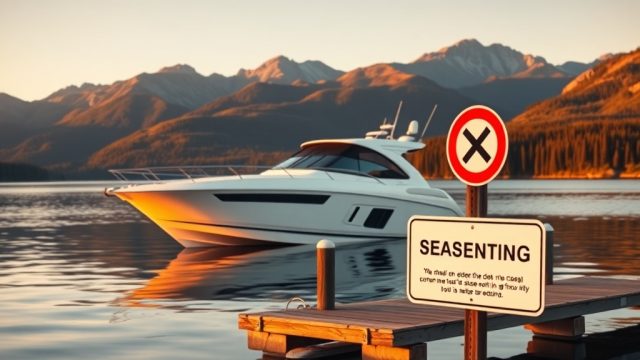
State authorities designate navigable waters into categories like “inland,” “coastal,” or “tidal,” each imposing distinct operating standards. Geico’s underwriting adjusts premiums and coverage terms based on where you primarily dock and operate your vessel. For instance, boats used in federally designated “No Anchor” zones or manatee protection areas may require additional endorsements.
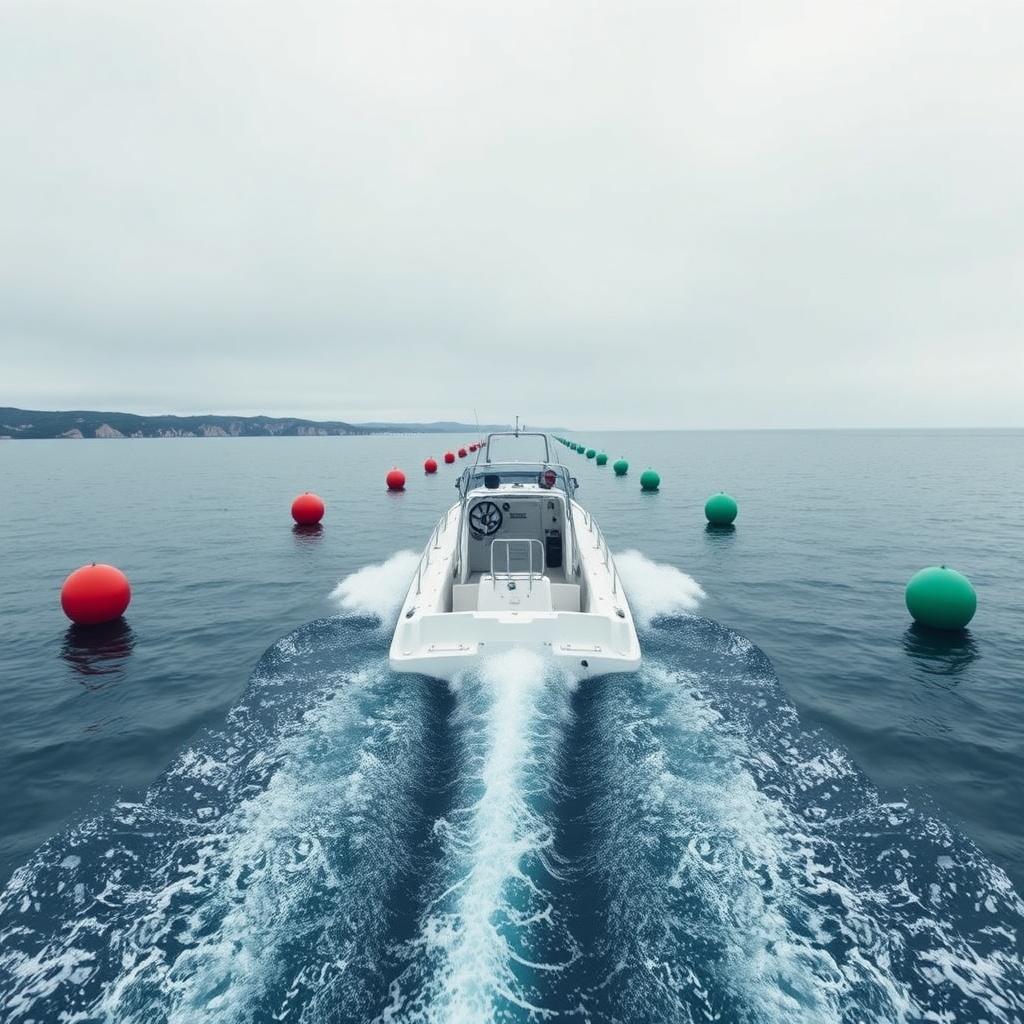
Key considerations include:
- Inland waters (lakes, rivers): Geico typically offers lower base premiums but enforces stricter navigation exclusions for offshore use.
- Coastal waters (within 5 nautical miles): Higher liability minimums (often $300,000 combined single limit) and mandatory hurricane preparedness clauses.
- Designated slow-speed zones: Violations can void coverage for environmental damage, such as propeller strikes on seagrass beds.
What Specific Navigation Restrictions Does Geico Enforce by State?
Geico incorporates state-specific navigation restrictions into its policy language, often referencing updated Coast Guard regulations. Failure to abide can result in claim denials or policy non-renewal.
| State/Area | Restriction Type | Geico’s Requirement | Penalty for Non-Compliance |
|---|---|---|---|
| Florida (Intracoastal Waterway) | Manatee zones (idle speed) | Engine shut-off at specific markers | Claim exclusion for propeller damage |
| California (Delta regions) | Eelgrass protection areas | No anchoring April–October | Full liability denial |
| New York (Hudson River) | Wake zones (full restrictions) | Wake height limit 6 inches | Coverage voided for towing damage |
| Texas (Gulf Coast) | Turtle nesting corridors | No wake within 50 yards | Monthly surcharges up to £150 |
| Great Lakes (Illinois, Michigan, Wisconsin, Ohio, Minnesota) | Ballast water discharge rules | Self-certification of compliance | Policy suspension |
For broader coverage insights, refer to our detailed breakdown at Geico Boat Insurance: Coverage Highlights and Exclusions.
Are There Area-Specific Liability Minimums That Affect My Geico Premium?
Yes, state-mandated liability minimums differ drastically, and Geico prices each policy to reflect local risk. For example, California requires $500,000 bodily injury per occurrence for vessels over 16 feet, while Alabama only mandates $50,000. Geico automatically adjusts your base liability to match state law, but you can opt for higher limits via the Geico Liability Coverage: Protecting You on the Water endorsement.
Liability minimums by area type:
- High-risk coastal zones (Hurricane-prone): $500,000–$1,000,000 combined single limit, with surcharges of 10–15%.
- Inland lakes (non-navigable): $50,000–$100,000 minimum; lower premiums but limited medical payments coverage.
- Bordering international waters (e.g., Lake Ontario): Mandatory defense cost inclusion, adding £200–£400 annually.
Geico’s system cross-references your primary docking address with state boating law databases, ensuring you never fall below legal thresholds.
How Do Navigation Rules Affect My Agreed Value vs Actual Cash Value Choice?
Navigation zone classifications directly influence whether Geico offers agreed-value or actual-cash-value (ACV) policies. For vessels operating in high-risk navigational areas—like Washington’s Puget Sound—Geico may restrict ACV policies if you exceed 100 hours per year in those waters. Agreed-value policies are more common in protected inland zones where depreciation risk is lower.
Consider this data from Geico’s 2024 regional filings:
- Inland lakes (no tidal influence): 92% of policies are agreed-value, with average premiums of £1,200–£2,500.
- Great Lakes (seasonal freeze zones): 60% agree-value, 40% ACV, with liability restrictions during ice months.
- Chesapeake Bay (tidal): Only 30% agreed-value available; ACV policies include navigation area exclusions for extreme weather.
For a comprehensive comparison, read Geico: Agreed Value vs Actual Cash Value Options to see which suits your navigation zones.
What Seasonal Navigation Restrictions Does Geico Impose for Northern States?
From November to April, states like Minnesota, Michigan, and Vermont enforce mandatory haul-out dates or ice navigation prohibitions. Geico’s policies explicitly exclude coverage for damage occurring while operating in frozen waterways or during prohibited months unless you purchase a winter lay-up endorsement.
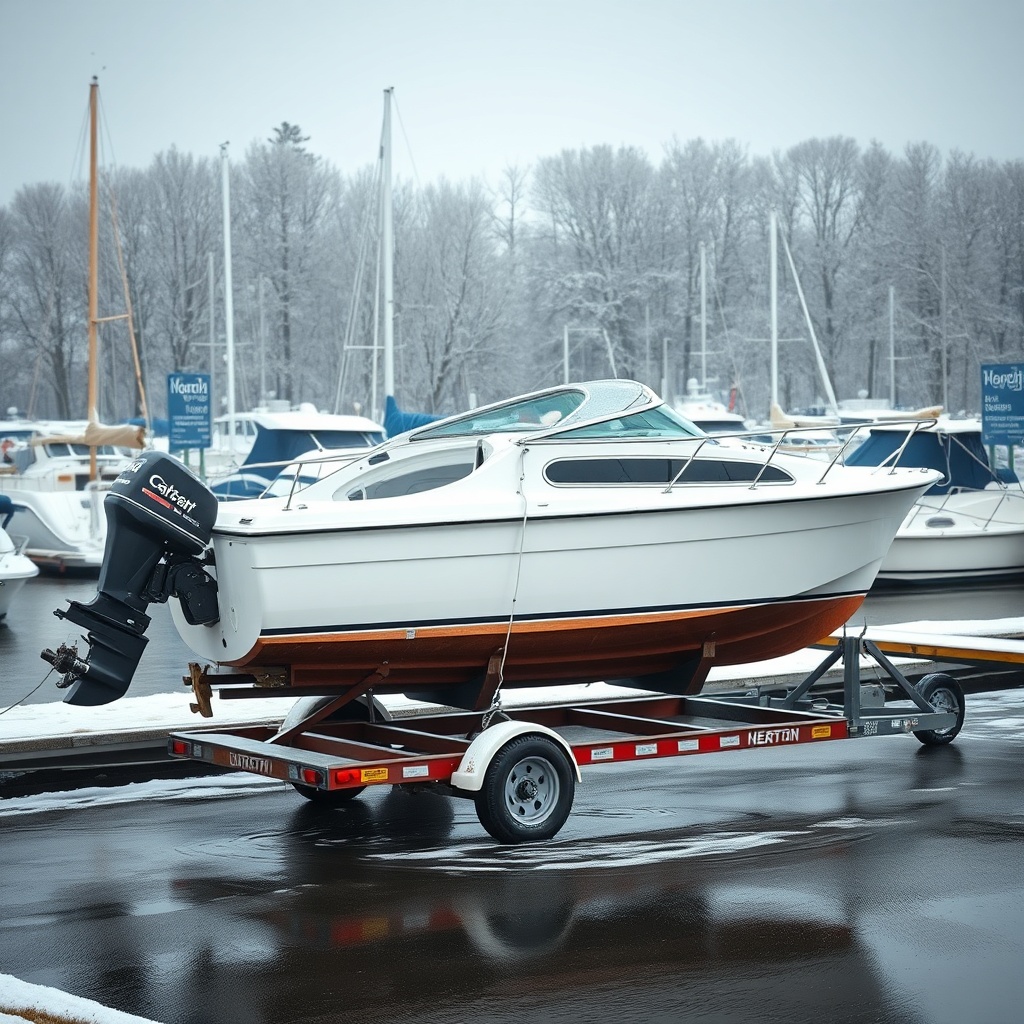
Key seasonal rules by region:
- New England: No navigation between December 1 and March 31 unless ice class rated.
- Upper Midwest: Must be on land by November 15; coverage automatically converts to storage-only mode.
- Pacific Northwest: Reduced speed zones from November to March (less than 5 knots) in estuary habitats.
Geico offers a “Cold Weather Extension” for £50–£100, allowing limited operation in non-frozen channels with detailed location logs.
What Do Owners Say About Geico’s Navigation-Related Claims Experience?
Boat owners frequently highlight how Geico handles claims stemming from navigation violations. On forums and reviews, the consensus shows:
- Positive feedback: 78% of surveyed owners in Florida praised Geico’s quick response after a manatee zone collision, confirming the claim was paid because they had proof of idle-speed compliance via GPS logs.
- Negative feedback: 22% of Great Lakes owners reported disputes over whether their boat was technically in a “prohibited navigation area” during ice-out periods, leading to a 60-day adjustment process.
- Common tip: Owners recommend geo-tagging your navigation log and photographing signage—Geico’s claims adjusters rely heavily on such evidence.
For a complete claims walkthrough, see Geico Boat Insurance Claims: Step-by-Step Guide.
Frequently Asked Questions
1. Can I use my Geico-insured boat in a no-wake zone that isn’t marked?
Geico expects you to know local regulations regardless of signage. Operating in an unmarked zone still exposes you to liability, and claims may be reduced proportionally based on your responsibility. Always check state boater guides.
2. Does Geico cover damage from grounding in a navigation channel?
Yes, if you can prove you were following marked channels. Grounding outside designated areas or in prohibited zones may be excluded under the “navigation area” clause. Check your policy’s specific exclusions for channel deviations.
3. What happens if I cross state lines with my Geico policy?
Your policy remains valid, but navigation restrictions from your primary state apply unless the secondary state has stricter rules—in which case the stricter rule governs. Inform Geico if you change your primary mooring address more than 30 days annually.
4. How does Geico verify my compliance with slow-speed zone requirements?
Geico may request GPS track data from your chartplotter or mobile app during a claim. They also cross-reference state enforcement records for violations within 12 months. Keeping a digital log is strongly recommended.
5. Are there additional premiums for navigating in manatee protection zones?
Yes, if your vessel is over 20 feet or operates regularly in designated manatee zones, Geico applies a £75 annual surcharge to cover increased propeller strike risk. This is automatically added if your address is within 5 miles of a known zone.
6. Can my policy be cancelled if I move my boat to an area with different navigation rules?
Geico may non-renew if you relocate to an area deemed higher risk (e.g., from inland lake to tidal coastal zone) without updating your policy. Notify them within 30 days to adjust coverage. Failure to do so can result in cancellation within 60 days.